


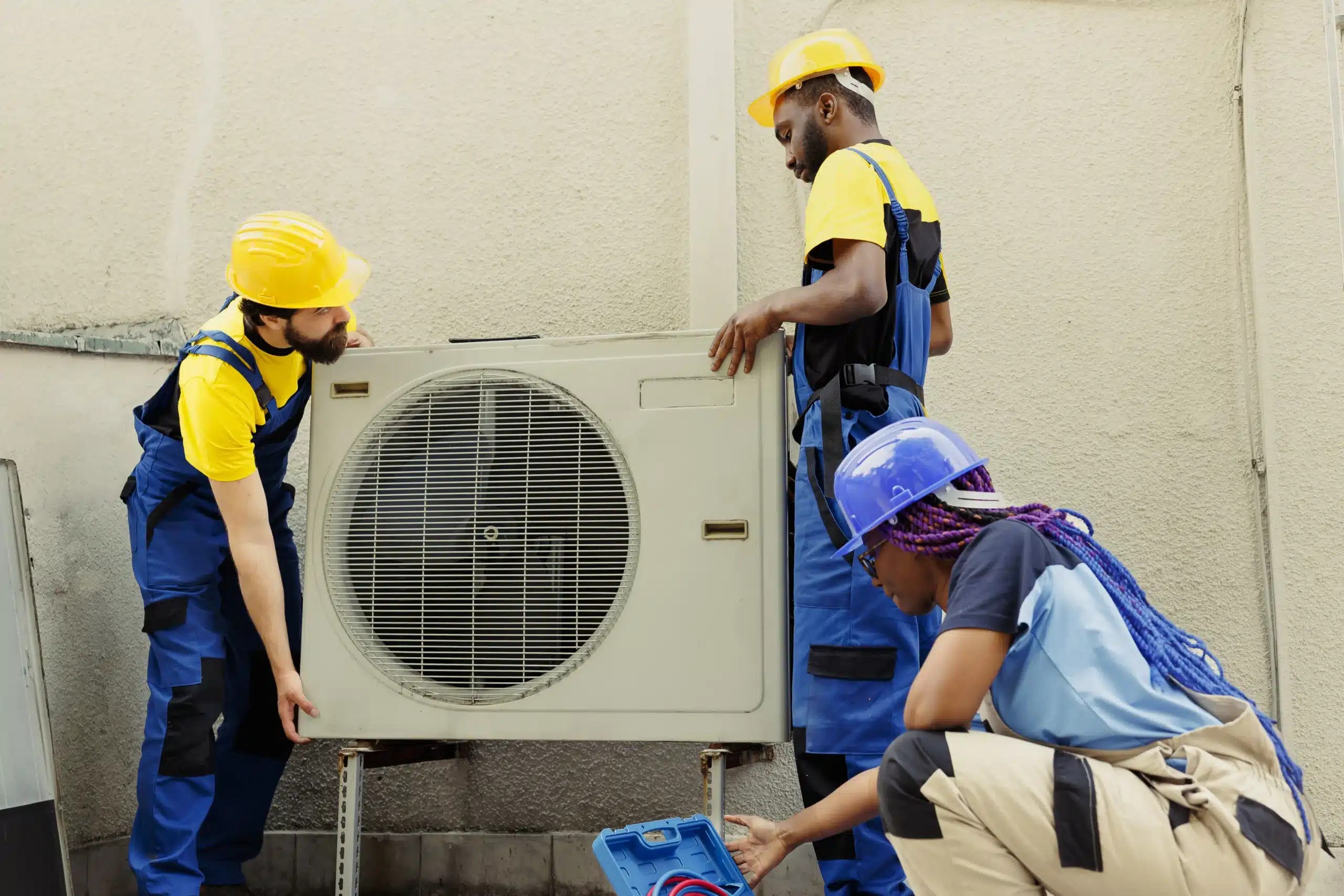
When choosing an air conditioning system, upfront price is only part of the story. For most homeowners, ongoing running costs are what really matter over time. Understanding how much a system costs to operate can help you avoid bill shock and choose a setup that suits your lifestyle and budget.
This guide breaks down the running costs of split system and ducted air conditioning, explaining what affects energy use and how to keep costs under control.
Why Running Costs Matter More Than You Think
Air conditioning is one of the largest energy users in a modern home. While two systems may look similar on paper, their long-term costs can vary significantly depending on how they’re designed and used.
Choosing a system with lower running costs can:
- Reduce monthly electricity bills
- Improve overall energy efficiency
- Make heating and cooling more sustainable
- Increase long-term value
Running costs are influenced by far more than just the system type.
What Determines Air Conditioning Running Costs?
Before comparing systems, it’s important to understand what actually affects energy consumption.
Key factors include:
- System size and capacity
- Home insulation and sealing
- Number of rooms cooled or heated
- Daily usage habits
- Zoning and temperature settings
- Outdoor climate conditions
Even the most efficient system can become expensive if it’s poorly designed or overused.
Running Costs of Split System Air Conditioning
Split systems are designed to heat or cool individual rooms, making them highly efficient when used correctly.
How Split Systems Use Energy
Split systems draw power based on:
- Room size
- Set temperature
- Duration of use
- Inverter efficiency
Because they only condition one space at a time, energy usage is generally lower compared to whole-home systems.
Typical Running Cost Advantages
Split systems are often cheaper to run because:
- Only occupied rooms are conditioned
- Smaller capacity systems use less power
- Inverter technology adjusts output automatically
For households that spend most of their time in a few key rooms, split systems can be very cost-effective.
When Split Systems Can Become Expensive
Running costs can increase if:
- Multiple split systems run at the same time
- Doors are left open between rooms
- Systems are undersized and overworked
- Filters and components aren’t maintained
In homes with many rooms, using several split systems together can add up quickly.
Running Costs of Ducted Air Conditioning
Ducted systems provide centralised heating and cooling, which changes how energy is used.
How Ducted Systems Use Energy
Ducted systems condition the air at a central unit and distribute it through ducts to multiple rooms. Energy use depends on:
- Total home size
- Number of zones active
- Duct design and insulation
- System capacity
Without zoning, ducted systems can consume more power than necessary.
The Impact of Zoning on Running Costs
Zoning is one of the most important cost-control features for ducted air conditioning.
How Zoning Reduces Costs
Zoning allows you to:
- Turn off unused areas
- Control temperatures room by room
- Reduce system workload
Homes with effective zoning often see significantly lower running costs compared to non-zoned systems.
Split vs Ducted: Cost Comparison in Real Homes
There is no universal winner. Running costs depend on how the system matches the home.
Split Systems Tend to Cost Less When:
- Cooling or heating one or two rooms
- Occupants are home at different times
- Usage is intermittent
- Home is smaller
Ducted Systems Can Be Efficient When:
- Zoning is used correctly
- The home is well insulated
- The system is correctly sized
- Whole-home comfort is needed
The key is design, not just system type.
Heating Costs: Split vs Ducted
Both split and ducted systems use reverse-cycle technology, which is far more efficient than traditional heating methods.
Heating Cost Considerations
- Heating generally uses more energy than cooling
- Good insulation reduces heat loss
- Zoning becomes even more valuable in winter
Split systems often work well for heating bedrooms and living areas, while ducted systems excel at maintaining even warmth across the home.
How Insulation Affects Running Costs
Insulation plays a major role in air conditioning efficiency.
Poor insulation causes:
- Heat loss in winter
- Heat gain in summer
- Longer system run times
Well-insulated homes:
- Maintain temperature longer
- Use less energy
- Reduce overall running costs
Improving insulation can lower air conditioning costs regardless of system type.
Smart Controls and Energy Management
Modern air conditioning systems offer smart features that help reduce energy use.
These include:
- Programmable timers
- Temperature scheduling
- Remote control via apps
- Energy usage monitoring
Using these tools properly can make a noticeable difference to running costs.
Maintenance and Its Impact on Costs
A poorly maintained system uses more energy.
Regular maintenance helps:
- Maintain airflow
- Improve efficiency
- Prevent breakdowns
- Extend system lifespan
Blocked filters and dirty components force systems to work harder, increasing electricity consumption.
Choosing the Right System for Long-Term Savings
When comparing split and ducted air conditioning, consider:
- Your home layout
- Daily usage patterns
- Budget for installation and running costs
- Long-term comfort expectations
The cheapest system upfront is not always the most affordable over time.
Professional Design Makes the Difference
A professionally designed system considers:
- Load calculations
- Airflow efficiency
- Electrical capacity
- Future upgrades
This ensures the system performs efficiently under real-world conditions.
Frequently Asked Questions
Which system is cheaper to run, split or ducted?
Split systems are usually cheaper to run for individual rooms, while ducted systems can be efficient for whole-home use when zoning is applied.
Does zoning really reduce running costs?
Yes. Zoning prevents energy being wasted in unused areas, making ducted systems far more efficient.
Can running costs be reduced after installation?
Yes. Adjusting usage habits, improving insulation, and maintaining the system can all lower costs.
Is heating more expensive than cooling?
Heating generally uses more energy, but reverse-cycle systems are still one of the most efficient heating options available.
Does system size affect running costs?
Yes. Oversized or undersized systems both lead to higher energy use and reduced efficiency.
Final Thoughts
Understanding running costs is essential when choosing between split and ducted air conditioning. The most efficient system is one that matches your home, usage habits, and comfort expectations.
Contact Information
Phone: 0431 262 728
Email: info@wodenvalleysolarnelectrical.com.au
Website: https://wodenvalleysolarnelectrical.com.au/
Contact Woden Valley Solar And Electrical today for a free quote and expert advice on solar, batteries, and electrical solutions.