


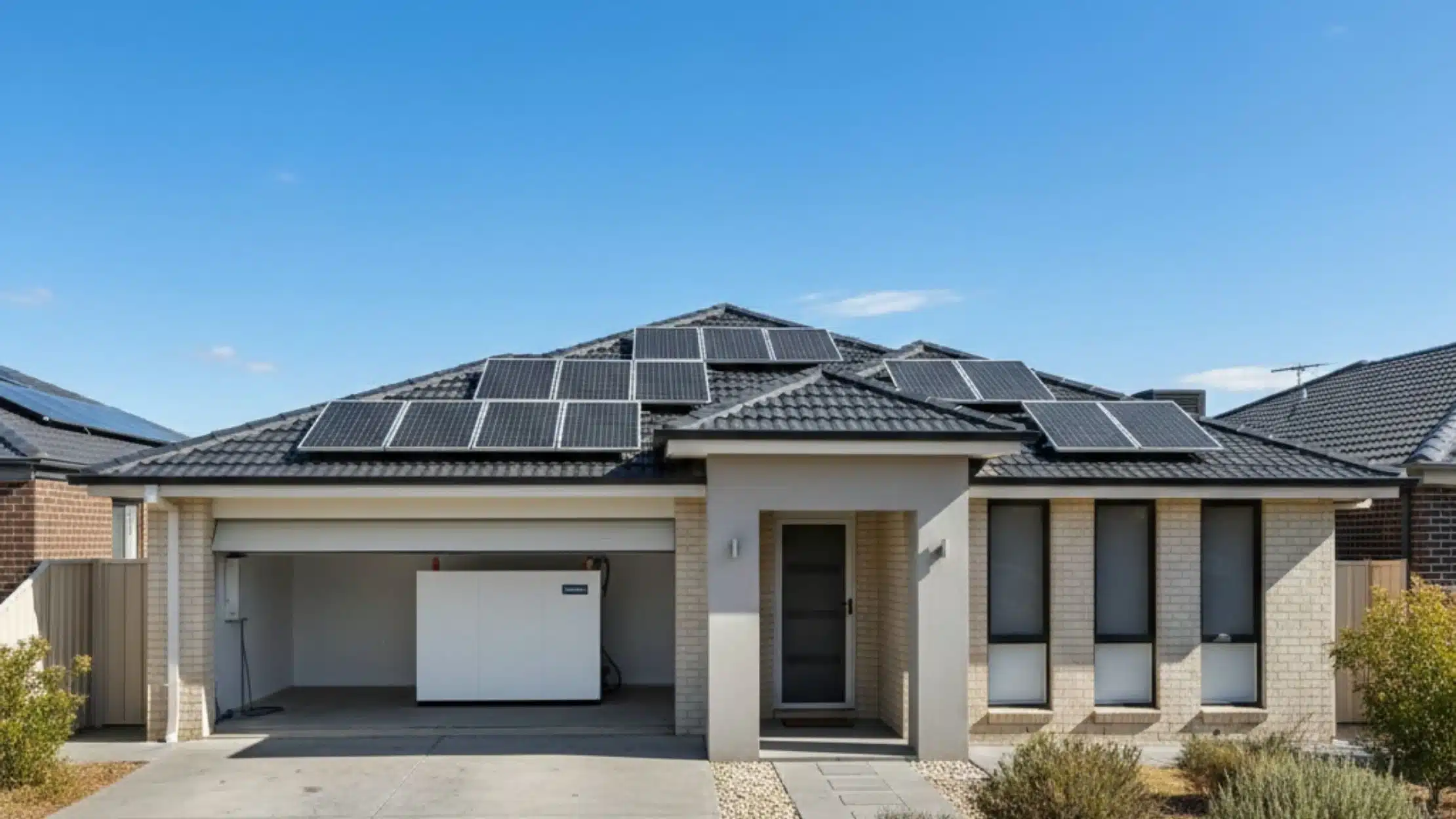
Rooftop solar panels are a common sight on many houses of Canberra suburbs, from Tuggeranong to Belconnen ones to others. As electricity prices are increasing and feed in tariffs are slowly being reduced, many home owners are now asking themselves a practical question:
Some of these questions could benefit from our analysis of: Is adding a solar battery worth it and how long will it take to pay for itself?
That’s where things like a solar battery payback calculator come in handy.
If you’re considering getting some solar batteries Canberra households are installing today, this guide will take you through exactly how the payback works, what impact affects the payback in the ACT and how to estimate timescales for your house you can expect.
This one is written for the common man homeowner. No technical jargon. No inflated savings claims. Just clear explanations based on the conditions in Canberra.
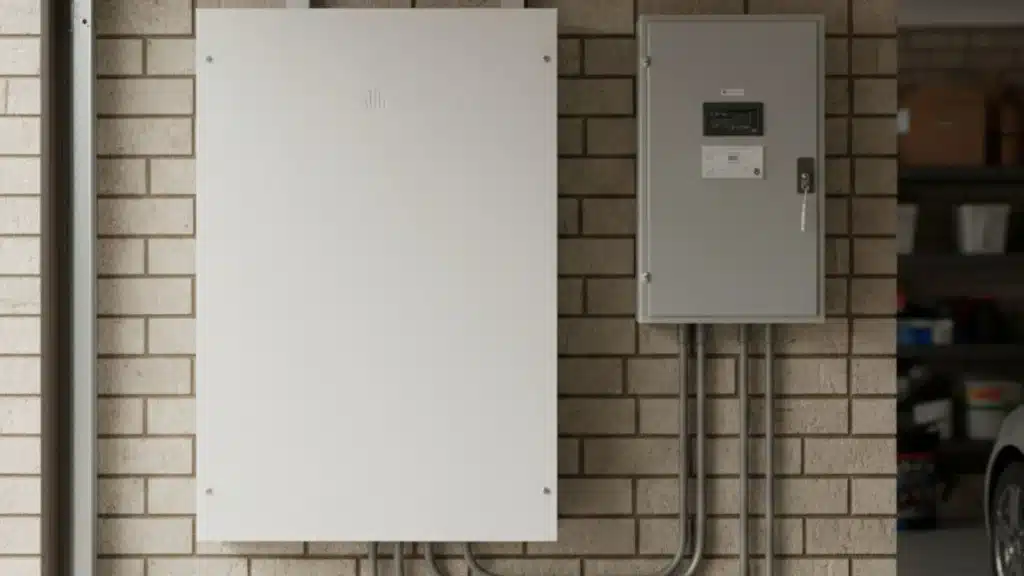
Understanding Solar Battery Payback Officially in Simple Terms
So before we get into the calculators and numbers, there is one thing to clarify.
Solar battery payback is the time it takes for your energy savings to equal the cost of buying and installing the battery.
In simple terms:
If your battery costs $12,000 and saves you $1,200 per year, your payback period is about 10 years.
After that point, the battery is effectively generating net savings.
However, real life payback is affected by:
- Your day time/ evening energy use
- ACT electricity tariffs
- Feed-in tariff rates
- Battery size
- Installation costs
- Whether you only charge from solar
That’s why there’s no one-size-fits-all answer.
How a Solar Battery Payback Calculator Works
A payback calculator is an estimate of the amount you could be saving based on a number of inputs.
Here’s what usually goes into the calculation:
System Size (kW Marbles)
The sunnier the roof on which you have installed solar panels is, the more excess energy you have to store.
In the Australian capital city of Canberra, most houses have systems that run between:
Larger systems often generate large amounts of surplus energy during the spring and summer seasons.
Duration of Battery Capacity (kWh Storage)
The size of the batteries will dictate the amount of solar energy you can store for you to use at night.
Common residential sizes:
- 6.6 kWh
- 10 kWh
- 13 kWh
Make the size too small and you will still use it from the grid at night.
Choosing too large, however, could make payback time take longer than it should.
Your Daily Energy Usage
Payback improves when:
- You consume more electricity at evening time
- You have high peak tariffs
- You have an electric heating and or hot water
Canberra winters often boost the use as a result of heating, when stored solar energy becomes more valuable.
Electricity Tariffs in Australian Capital Territory
ACT electricity pricing is quite important.
Many households pay:
- Table 1 Peak electricity 25-35 cents per kWh
- 8-12 cents per kWh feed-in tariff
That difference is crucial.
Instead of selling solar at 10 cents and six exchanges at 30 cents, with a battery, you are using your own power basically effectively saving the difference.
Installation Cost
Depending on: Size, Area, and Misconception The price of solar battery Canberra currently being shown to Canberra homeowners.
- Battery size
- Brand
- Installation complexity
- Switchboard upgrades
Put into place there are about $9,000 – up to $16,000 for residential systems cost.
Step-by-Step, Estimated Making It Through Your Battery Payback
Let’s break this down clearly.
Step 1: Work Out Your Extra Solar
Check your energy bill or energy monitoring app.
Look at:
- How much solar you are exporting each day
- Seasonal variations
If you exporting15kW h per day is average, that’s strong battery potential.
Step 2: Understand Your Night Time Usage
Look at your consumption when the sun is down.
If you consume 12kWh as a nightly consumption, a 10-13kWh battery could be suitable for your dwelling.
Step 3: Determine the Value Dictated Energy Stored
Example:
- Grid cost: 30c per kWh
- Feed-in tariff: 10c per kWh
For every kWh stored and used, 20-cents is saved.
If you store 10kWh daily:
10kWh x $0.20 x 365 = $730 annual savings
Step 4: Compare to Battery Cost
If battery cost = $12,000
Annual savings = $730
Estimated payback = 16 years
But if there is an increase to electric costs, there is less payback.
Importance of Canberra Conditions
All Australian cities are not created equal.
There are ACT-specific factors that affect battery payback.
Climate
Canberra has:
- Cold winters
- Mild autumn and spring
- Hot, dry summers
Winter production of solar power declines, but the use of heating increases.
That seasonal mismatch impacts on battery utilisation.
Housing Style
Many Canberra homes are:
- Standalone houses
- Larger blocks
- Suitable north-facing roofs
Older suburbs may have to have switchboard upgrades performed which can affect installation cost.
Some of the newer developments can include:
- Electric heating
- Induction cooking
- EV charging
These increase evening energy demand creating better battery value.
ACT Rebates and Policy
The ACT has been a long time supporter of renewable energy adoption.
Programs may change so check current ACT Government schemes always.
Rebates however could significantly reduce payback times.
Compare Battery Payback to Solar-Only Systems
It’s important to understand that:
Solar panels tend to have a shorter payback time as compared to batteries.
Panels often pay back within:
- 3 to 6 years in Canberra
Batteries typically take:
- 8 to 15+ years
The reason for this is because panels produce electricity.
Batteries provide a storage of electricity.
If you’re planning to have a solar panel system, this ultimate guide to solar panels and solar solutions in Canberra covers how homeowners can make the right choice for long-term savings.
Storage makes the most sense in these scenarios:
- You already have solar
- You export high volume on a daily basis
- You want backup capability
- You believe in energy independence
Realistic Payback Firstly In Canberra
Based on Current Pricing and Tariffs:
- Small Battery, moderate export- 12-15 years
- Larger battery, high evening use- 9-12 years
- Premium battery with least export- 15+ years
These are estimates only. Every home differs.

What Is What Affects Payback The Most?
Let’s break it down clearly.
Electricity to Get More Expensive
Higher grid prices equal better battery value.
Feed-In Tariff Reductions
Lower export payments increase the attractiveness of storage.
Household Behaviour
Running appliances at night rather than during the day makes you use more battery.
Electric Vehicles
EV charging at night can have a dramatic positive impact on payback if it is charged from storage solar power.
Common Myths About Solar Battery Payoff
It will cut my bill to zero
Unlikely.
- Grid connection fees can and still do apply.
- Winter solar output drops.
- You may have to import electricity during prolonged hours of cloudiness.
All batteries show a payback in a short period of time
Not always.
Expensive to install + less use = Longer payback.
Bigger battery = bigger savings
Only on condition that you use the energy stored in.
Oversizing may enlarge the payback time.
They last forever
Most residential batteries include:
- 10-year warranty
- Performance guarantees
Degradation is normal over a period of time though.
Costs Breakdown for Canberra Houses
When considering solar battery price canberra costing the following:
Equipment Cost
Battery unit itself.
Installation Labour
- Licensed electricians
- Safety systems
- Mounting
Switchboard Upgrades
Older Canberra homes may need some electrical upgrades.
Monitoring Systems
Energy management software: Energy management apps.
Total installed cost generally falls in the range of:
$9000-$16,000 depending upon capacity and complexity.
When Does Great Make the Most Sense to Have a Battery?
A battery is more financially clear cut if:
- You export over 10kWh daily
- Your peak tariff is higher than 30c/KwH
- The inevitable case is if you plan to stay for long term in the home
- You appreciate blackout protection
In parts of Canberra where there are occasional outages related to the storm, there is the opportunity for backup power to add what is called non-financial value.
Timeline: Making the Decision to Installation
For most Canberra homes:
- Energy assessment
- System design
- Quote acceptance
- Installation 1-2 days
- Permission of Inspection and Grid Connection
Total timeline 2-6 weeks deal with workload and approvals.
What to Look for in a Canberra Battery Solution
Not all systems are equal.
When evaluating providers:
Check Local Experience
This knowledge of ACT compliance is important.
Understand Warranty Terms
Look for:
- 10-year performance warranty
- Clear cycle limits
- Installation warranty
Ask About Monitoring
You should be able to:
- Track usage
- Monitor savings
- Adjust behaviour
Ensure Future Compatibility
If you plan to:
- Add more panels
- Install an EV charger
- Expand battery storage
Make sure that the system supports upgrades.
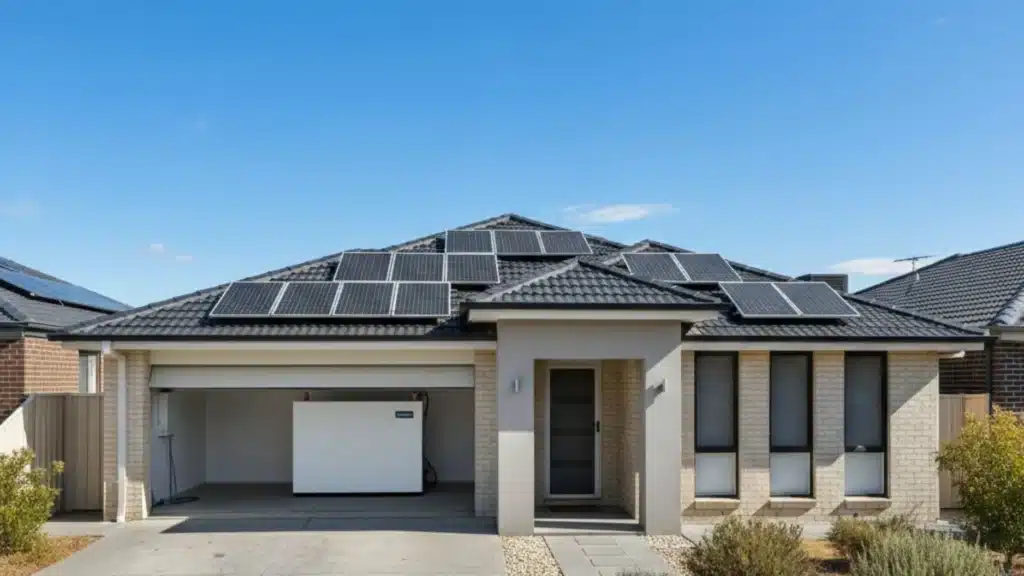
Environmental benefits and Lifestyle benefits
While payback is important, many homeowners opt for storage for other reasons:
- Reduced Dependence on Coal Fired Electricity
- Lower carbon footprint
- Higher control of energy consumption
- Protection to Tariff Changes
In the ACT’s world looking to renewable energies, this is in line with local sustainability goals.
Key Learnings for Canberra Homeowners
- There is widely varying battery payback on a household basis.
- Expect 9-15 years in the most realistic of cases.
- High evening consumption enhanced savings.
- Oversizing makes no sense because it makes it inefficient.
- ACT tariffs have a strong effect on outcomes.
- Solar panels typically have a shorter return on investment compared to storage for instance.
A calculator is a guide not a guarantee.
The same means that understanding the patterns of your own usage is the most important step.
Frequently Asked Questions
1. How much is the battery system in Canberra?
Installed battery systems in the ACT typically vary in price from $9-16,000 depending on size, complexity of installation and switchboard requirements. Older homes may need upgrading of the electric supply necessitating cost. Always ask for a site specific assessment, as the price will vary depending upon the layout of the roof and the compatibility of solar to that existing roof.
2. How long does it take to install in Canberra?
After the approval, installation of it usually takes one to two days. However, from beginning quote through to final commissioning, the process can take between two to six weeks. This is dependent on the availability of installers, ACT compliance approvals and whether some electrical work is required.
3. Do batteries conduct well in Canberra winters?
Winter solar generation decreases away from longer hours in the day and toward an opposite sun angle. However, it does make sense to have batteries, if you bind enough energy with solar during the day. For homes with larger systems of solar panels, there can be relatively high levels of storage which provide useful savings even during colder months but with a slight dip in savings overall for the entire year.
4. Can I add a battery to my existing solar system?
In most cases, yes. Many homes in Canberra with rooftop solar are able to retrofit their storage. Compatibility in your inverter type and system design. A technical assessment is needed to obtain more information as to whether or not additional hardware or inverter upgrades are necessary.
5. Are there act rebates available for battery systems?
ACT support programs are changing periodically. At intervals, low interest lendings or structured renewables have been available. It’s important to check up-to-date programs of energy in the ACT Government to check eligibility as incentives impact to directly impact overall payback timelines.
Adding storage is a significant decisionIn Canberra conditions, knowing how payback works, you can make an informed choice on numbers not assumptions. Contact Woden Valley Solar And Electrical For Solar Panel With Battery Installation