


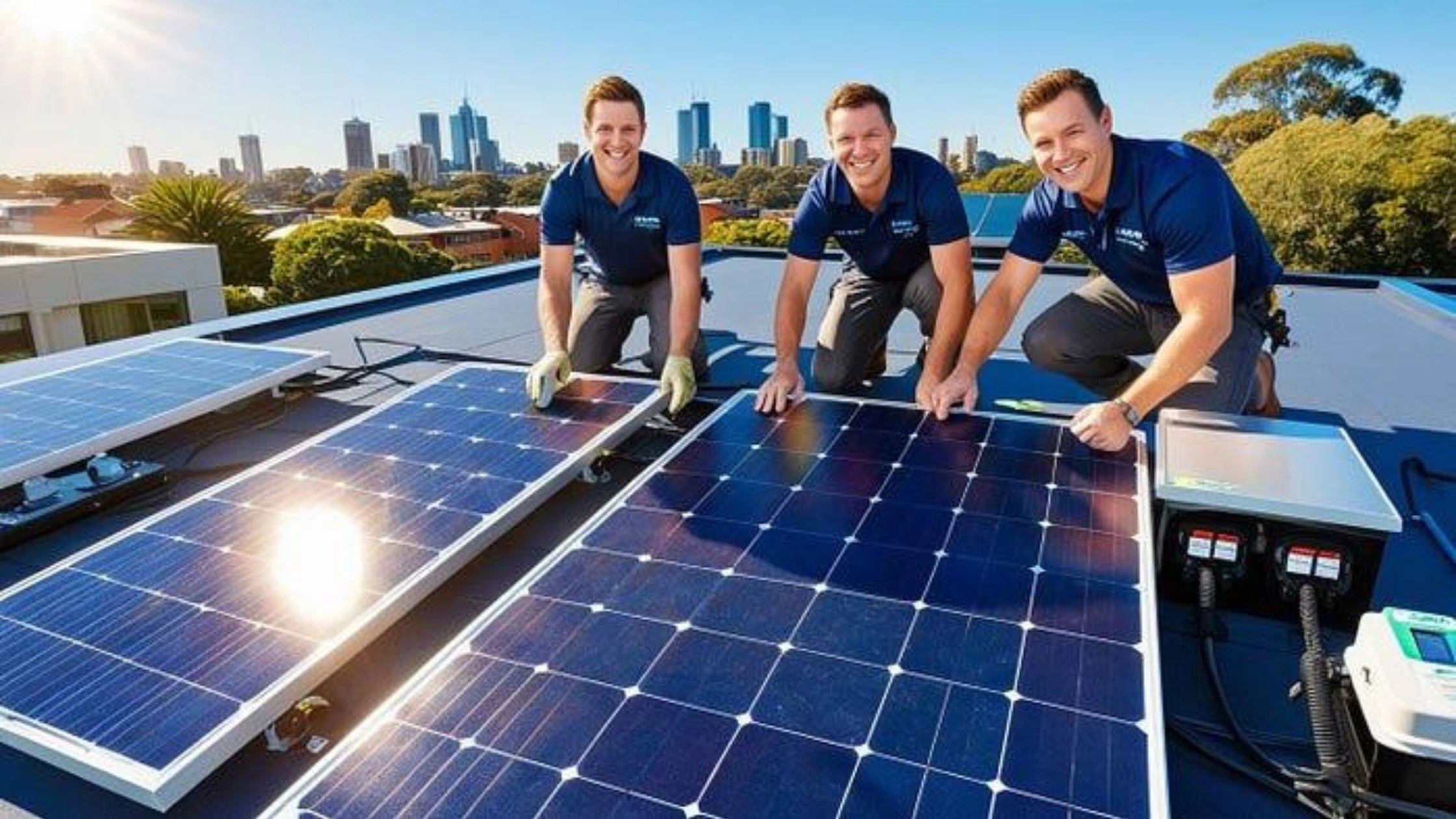
If you’re looking for a smarter way to heat water while reducing your household energy bills, installing a solar hot water system in Canberra can be a worthwhile investment. With Canberra’s strong solar resources, increasing electricity costs and government support for energy-efficient home upgrades, solar hot water is becoming an increasingly attractive option for homeowners.
But choosing the right system isn’t simply about buying the most powerful unit available. The ideal solution depends on your household size, hot water usage, available roof space, roof orientation, existing energy setup and budget.
In this guide, we’ll explain how solar hot water systems work, how much they can cost in Canberra, their main benefits, available incentives and the key factors you should consider before installation.
What Is a Solar Hot Water System?
A solar hot water system uses energy from the sun to heat water for everyday household use.
Unlike traditional solar panels, which generate electricity, solar hot water collectors capture solar energy directly and transfer that heat to water stored in a hot water tank.
A typical system includes:
- Solar collectors
- Hot water storage tank
- Pump or circulation system, depending on the design
- Controller
- Backup booster
The booster is particularly important in Canberra because winter temperatures can be very low and sunlight levels vary throughout the year. During periods when solar energy isn’t enough to heat the water, an electric booster can provide additional heating.
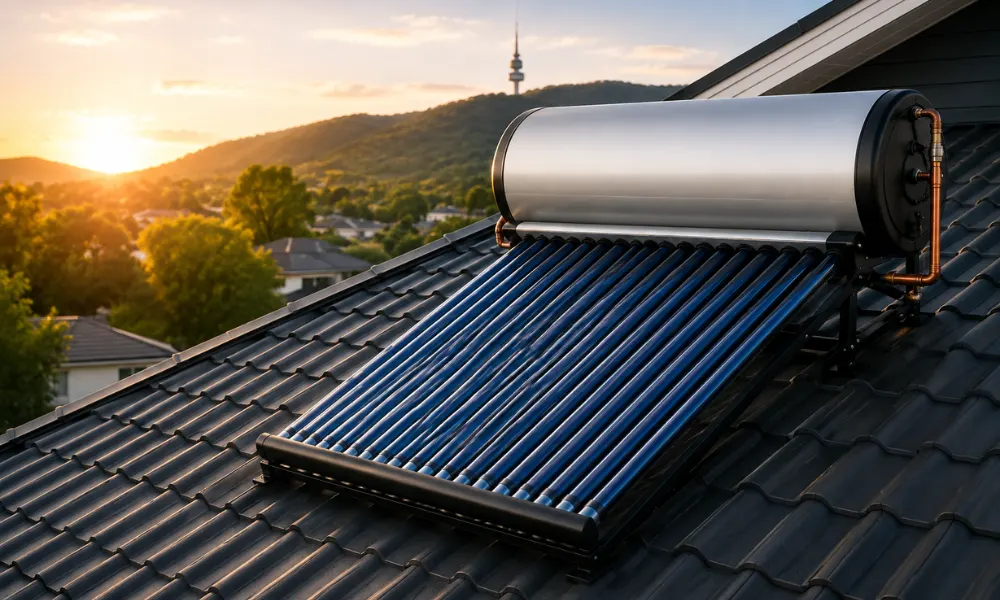
For Canberra households, evacuated tube solar hot water systems are particularly relevant. The ACT Government identifies evacuated tube systems as the most suitable type of solar hot water system for the ACT climate.
How Does Solar Hot Water Work?
The basic process is relatively simple.
Solar collectors installed on the roof absorb energy from sunlight. This heat is transferred to water, which is then stored in an insulated tank ready for household use.
When there is sufficient sunlight, the solar component does most of the heating. When solar energy isn’t sufficient, the backup booster helps bring the water to the required temperature.
This means you can enjoy hot water throughout the year without depending entirely on conventional electricity or gas heating.
What Happens During Canberra Winters?
Winter is one of the most important considerations when choosing a solar hot water system in Canberra.
Shorter daylight hours, colder temperatures and less intense sunlight can reduce solar heating performance. This is why a properly designed system should include an appropriate booster.
The ACT Government notes that evacuated tube solar hot water systems are likely to require boosting during winter and recommends discussing frost protection and installation requirements with your supplier.
A professional installer can assess your property and recommend a setup that is appropriate for Canberra’s conditions.
How Much Does a Solar Hot Water System Cost in Canberra?
The cost of a solar hot water system in Canberra can vary significantly depending on the system type, tank size, collector configuration, installation requirements and whether additional plumbing or electrical work is needed.
Current Canberra pricing guides put fully installed solar hot water systems at roughly $5,500 to $9,350, although individual quotes can fall outside this range depending on the property and system selected.
National 2026 cost guides commonly place installed solar hot water systems around $3,000 to $7,000, showing why obtaining a site-specific quote is important rather than relying on a single advertised price.
What Can Affect the Installation Cost?
Several factors can influence the final price:
1. System type
Evacuated tube systems, flat-plate systems and other configurations can have different purchase and installation costs.
2. Tank size
A larger household generally requires more hot water storage capacity.
3. Roof configuration
The available roof space, orientation, pitch and accessibility can affect installation requirements.
4. Existing plumbing
Replacing an old hot water system may be straightforward, but some properties require plumbing modifications.
5. Electrical work
An electric booster may require electrical work depending on the existing setup.
6. Additional equipment
Frost protection, roof frames, controllers, valves and other components can add to the total installation cost.
For these reasons, a professional assessment is usually the best way to determine the actual cost for your home.
Is a Solar Hot Water System Worth It in Canberra?
For many households, yes.
The biggest attraction is the opportunity to use free solar energy to heat water rather than relying entirely on conventional energy sources.
The Australian Government’s YourHome guidance notes that solar hot water systems can provide a significant proportion of a home’s hot water requirements depending on climate and system design, while reducing energy consumption and greenhouse gas emissions.
However, whether a particular system is financially worthwhile depends on factors such as:
- Your current hot water system
- Household size
- Daily hot water consumption
- Electricity and gas costs
- System purchase and installation price
- Available rebates or incentives
- Roof suitability
- Maintenance requirements
A good installer should consider all of these factors rather than simply recommending the most expensive system.
Benefits of Installing Solar Hot Water in Canberra
1. Lower Hot Water Energy Costs
Heating water can represent a significant portion of household energy use. The ACT Government notes that water heating can account for around 18% of an energy bill.
By using sunlight as the primary source of heat, a solar hot water system can reduce the amount of conventional energy required to heat your water.
Your actual savings will depend on your household usage, system performance and backup heating requirements.
2. Use Renewable Energy
Solar energy is a clean and renewable energy source.
Instead of relying completely on gas or electricity generated from conventional sources, solar hot water allows your household to make direct use of sunlight.
This can help reduce your home’s environmental impact while supporting Canberra’s broader transition toward cleaner energy.
3. Reduced Dependence on Gas
For households currently using gas hot water, moving to an electric-boosted solar hot water system can be one way to reduce reliance on gas appliances.
This can be particularly relevant as the ACT continues its transition towards electrification and lower-emission household energy use.
4. Excellent Option for Solar-Friendly Homes
If your home already has solar energy infrastructure, solar hot water can complement an overall strategy for reducing household energy costs.
However, homeowners should compare solar thermal hot water with alternatives such as a heat pump powered by rooftop solar before making a decision.
In some homes, additional solar PV combined with an efficient heat pump may make better use of available roof space.
5. Long-Term Energy Efficiency
A well-designed solar hot water system can provide reliable hot water for many years when properly installed and maintained.
Choosing quality equipment and professional installation is important because poor positioning, inadequate frost protection or incorrect system sizing can affect performance.
Canberra’s Solar Hot Water Rebates and Incentives
Government incentives can make the upfront cost of an energy-efficient hot water upgrade more manageable.
However, eligibility and incentive amounts can change, so homeowners should check the current requirements before purchasing a system.
ACT Home Energy Support Program
Eligible ACT homeowners may receive a rebate of 50% of the supply and installation cost, up to $2,500, for eligible hot water heat pumps and evacuated tube solar hot water systems.
The program is aimed at eligible homeowners who meet requirements such as holding an eligible concession card and meeting property and program conditions.
It is important to receive approval before accepting a quote where the program requires pre-approval.
Sustainable Household Scheme
The ACT Sustainable Household Scheme also supports eligible households with financing for energy-efficient upgrades.
From 1 July 2026, new applicants can access loans of up to $20,000, with eligible products including hot water heat pumps and evacuated tube solar hot water systems. The scheme provides loans at a 3% interest rate, subject to eligibility and lending conditions.
The scheme and rebate programs have specific eligibility requirements, so it’s important to check the current ACT Government information before making a purchase.
Federal STCs
Some eligible solar water heaters may also qualify for Small-scale Technology Certificates (STCs) under the federal Small-scale Renewable Energy Scheme.
The Clean Energy Regulator states that eligible solar water heaters and air-source heat pumps can qualify for STCs, provided the system and installation meet the applicable requirements.
Your installer may be able to help you understand whether an eligible system qualifies and how the STC benefit can affect your purchase price.
How to Choose the Right Solar Hot Water System in Canberra
Not every solar hot water system is suitable for every property.
Here are the most important factors to consider.
1. Consider Your Household Size
Start by estimating how much hot water your household uses each day.
A couple may have very different requirements from a family of five.
Choosing a tank that’s too small can lead to insufficient hot water, while an unnecessarily large system can increase upfront costs.
2. Look at Roof Orientation
Solar collector positioning has a major influence on performance.
For evacuated tube solar hot water systems, the ACT Government identifies a north-facing roof as the ideal orientation, although individual property conditions should always be assessed by an installer.
Shading from trees, neighbouring buildings or roof structures should also be considered.
3. Think About Canberra’s Cold Winters
Canberra’s winter conditions make frost protection and backup heating important considerations.
Ask your installer:
- How does the system perform during winter?
- What frost protection is included?
- What type of booster will be used?
- How much electricity might the booster require?
- Is the selected system appropriate for Canberra’s climate?
4. Compare Evacuated Tube and Other Options
The ACT Government currently supports evacuated tube solar hot water systems under its relevant household programs, while flat-plate and integral collector/batch systems are not supported under those programs.
That doesn’t mean government eligibility should be the only factor in your decision. System performance, installation conditions, household requirements and long-term running costs should all be considered.
5. Check System Certification and Eligibility
If you’re relying on federal incentives, make sure the product is eligible.
The Clean Energy Regulator requires eligible solar water heaters to meet applicable requirements and be listed on the relevant register for STC eligibility.
6. Compare the Total Installed Cost
Don’t compare systems based only on the equipment price.
Your quote should clearly explain:
- Equipment
- Tank
- Collectors
- Installation
- Plumbing
- Electrical work
- Booster
- Removal of the old system
- Any required roof work
- Applicable rebates or STCs
- Warranty
A slightly higher-quality system may offer better long-term value if it delivers improved performance and reliability.
Solar Hot Water vs Heat Pump: Which Is Better?
Canberra homeowners often compare a traditional solar hot water system with a modern heat pump.
Both can be highly efficient, but they work differently.
| Feature | Solar Hot Water | Heat Pump |
| Main energy source | Sunlight | Electricity + ambient heat |
| Roof collectors | Usually required | Not required |
| Winter performance | Depends on sunlight + booster | Depends on model and temperature |
| Backup heating | Usually required | Integrated electrical operation |
| Roof space | Required | Minimal |
| Solar PV compatibility | Indirect | Excellent |
| ACT support | Eligible evacuated tube systems | Eligible models |
| Best choice | Homes suited to solar thermal | Homes wanting flexible electric heating |
The best option depends on the property.
The ACT Government specifically recommends considering heat pump models suited to Canberra’s cold climate, including models capable of operating effectively at low temperatures.
A professional installer can compare both options based on your household’s actual requirements.
Why Professional Installation Matters
Solar hot water isn’t simply a tank-and-panel installation.
Correct system sizing, roof positioning, plumbing, electrical connections, frost protection and safety components all affect how well the system performs.
Professional installation can help ensure:
- Correct system sizing
- Appropriate collector positioning
- Safe plumbing connections
- Correct electrical booster installation
- Proper frost protection
- Compliance with relevant Australian requirements
- Better long-term system performance
It can also help prevent expensive problems caused by incorrect installation.
Common Mistakes to Avoid
Choosing the Cheapest System
The cheapest quote isn’t necessarily the best value.
Look at the equipment quality, warranty, installation experience and expected running costs.
Ignoring Roof Orientation
Even a high-quality system can perform poorly if the collectors are badly positioned or heavily shaded.
Buying Without Checking Rebates
If you may qualify for an ACT rebate or federal incentive, check the eligibility requirements before signing a contract.
Choosing the Wrong Tank Size
A system that’s too small can struggle during periods of high demand.
A system that’s too large may cost more than necessary.
Forgetting About Winter Performance
Canberra winters should be considered before choosing a system. Ask about frost protection and booster operation before installation.
Is Solar Hot Water a Good Investment for Your Home?
A solar hot water system can be a smart long-term upgrade for Canberra homeowners who want to reduce energy consumption and make greater use of renewable energy.
The strongest candidates are generally homes with:
- Good solar access
- Suitable roof space
- Consistent hot water demand
- An ageing or inefficient existing hot water system
- A desire to reduce gas or electricity consumption
- An interest in long-term energy efficiency
However, the right system isn’t necessarily the same for every household.
The best approach is to compare the expected installation cost, available incentives, system performance, household hot water requirements and long-term running costs.
Get the Right Solar Hot Water Solution for Your Canberra Home
Thinking about installing a solar hot water system in Canberra?
Woden Valley Solar & Electrical can help you assess your home’s requirements and understand which solar hot water solution may be suitable for your property.
Rather than choosing a system based solely on price, get professional advice on system size, roof suitability, installation requirements, energy efficiency and available incentives.
Contact Woden Valley Solar & Electrical today to discuss your solar hot water requirements and request a tailored quote for your Canberra home.
Frequently Asked Questions
1. How much does a solar hot water system cost in Canberra?
A fully installed solar hot water system in Canberra can vary considerably depending on the system and installation requirements. Current 2026 pricing data indicates a broad range of approximately $5,500 to $9,350 for installed solar hot water systems.
The actual price for your home should be confirmed through a site-specific quote.
2. Is solar hot water worth it in Canberra?
It can be. Solar hot water can reduce the amount of conventional energy needed to heat water and make use of Canberra’s solar resource. The financial return depends on household water usage, system cost, existing hot water technology and available incentives.
3. What type of solar hot water system is best for Canberra?
The ACT Government considers evacuated tube solar hot water systems particularly suitable for the ACT climate.
However, your home’s roof, household size and energy setup should be assessed before selecting a system.
4. Does solar hot water work in Canberra winter?
Yes, but performance can be reduced during periods of low sunlight and cold weather. A backup booster is normally required to ensure reliable hot water throughout winter. The ACT Government specifically advises Canberra homeowners to consider winter boosting and frost protection.
5. Are there rebates for solar hot water in Canberra?
Eligible ACT homeowners may be able to access rebates through the Home Energy Support Program. Eligible homeowners can receive up to $2,500 for certain hot water upgrades, including evacuated tube solar hot water systems.
Eligibility conditions apply.
6. Can I get an STC rebate for solar hot water?
Some eligible solar water heaters can qualify for Small-scale Technology Certificates under the federal Small-scale Renewable Energy Scheme. The system must meet the applicable eligibility requirements.
7. Is north-facing roof space important?
North-facing roof space is generally considered ideal for evacuated tube solar hot water systems in Canberra, although the best installation position depends on the specific property.
8. How long does a solar hot water system last?
The lifespan depends on the equipment, installation quality, climate exposure and maintenance. Regular inspection and maintenance can help identify issues early and support long-term performance.
9. Solar hot water or heat pump—which should I choose?
It depends on your home. Solar hot water can be excellent where there is suitable roof space and solar access, while a heat pump may be more flexible and can work particularly well when combined with rooftop solar PV.
A professional assessment can help you compare both options.
10. Should I replace my old hot water system with solar?
If your existing system is ageing, inefficient or expensive to operate, it may be worth comparing solar hot water and heat pump options. Before making a decision, consider the replacement cost, running costs, available incentives and your household’s hot water requirements.
Ready for Reliable Solar Panel Installation in Canberra?
Choose a qualified Solar Panel Installation Electrician Canberra for safe, professional solar installation and electrical support. Get in touch today to discuss your solar project.
Phone: +61431 262 728
Email: info@wodenvalley.com.au
Website: https://wodenvalleysolarnelectrical.com.au/
Location: Unit 5/5 Tooth St Mitchell ACT 2911