


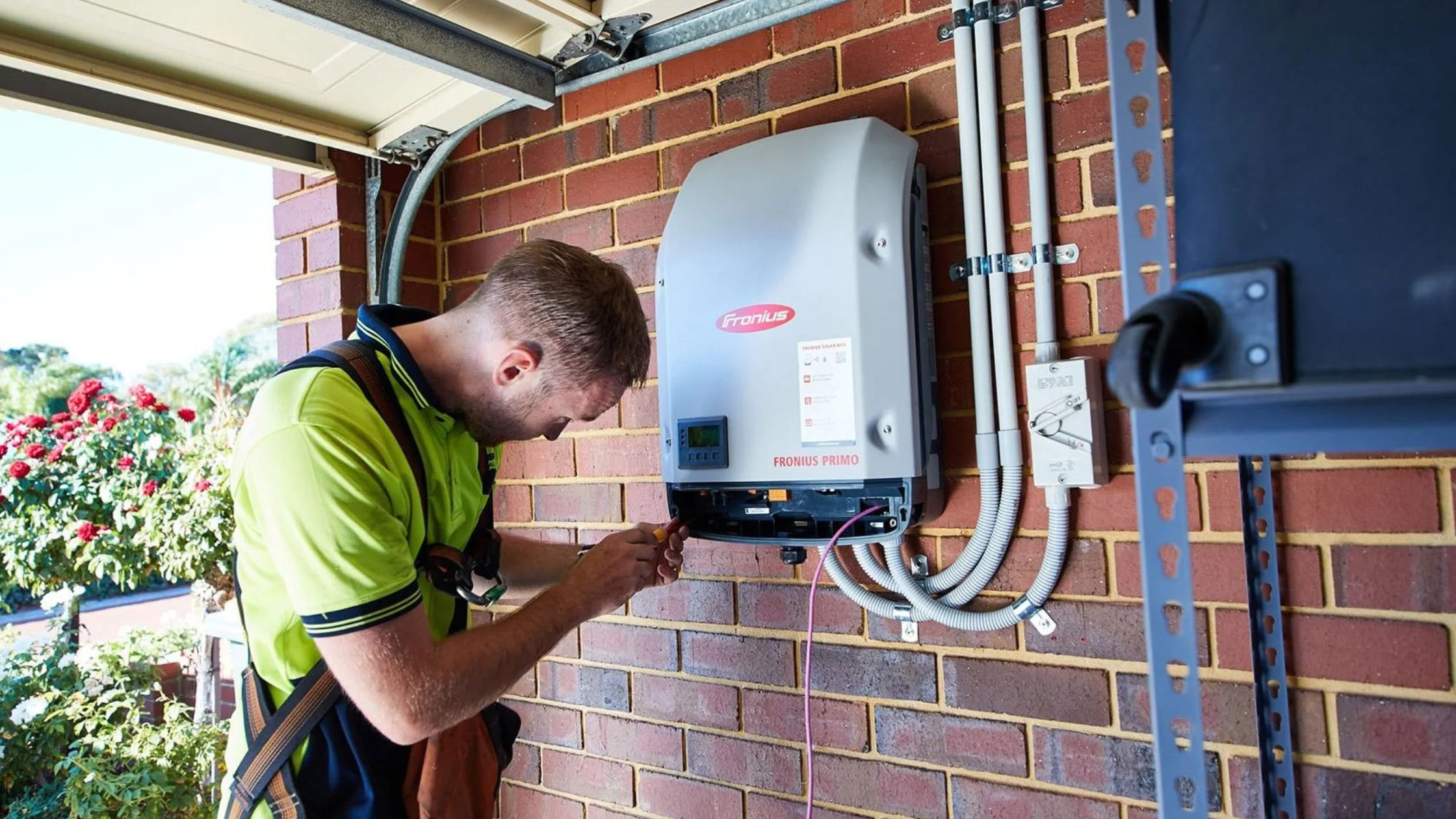
A solar inverter is one of the most important components in a home solar system. Solar panels generate DC electricity, but most household appliances use AC electricity. The inverter converts the energy generated by the panels into usable electricity for the home.
Like any electrical equipment, an inverter can eventually develop a fault. It may stop producing power, display an error code, shut down unexpectedly or show signs of reduced performance. When this happens, the inverter warranty can become an important part of protecting your solar investment.
For homeowners researching Solar Inverter Warranty Canberra, it is important to understand that inverter warranties are different from solar panel warranties. They can also vary between manufacturers, models and installation agreements.
This guide explains what an inverter warranty generally covers, how repairs are handled, when replacement may be considered and what Canberra homeowners should check before choosing a solar system.
Why the Solar Inverter Warranty Matters
Solar panels can have long product and performance warranties, but the inverter is a separate component with its own warranty conditions.
The inverter works continuously whenever the solar system is generating electricity. It manages the conversion of electricity and, depending on the system, may also communicate with monitoring platforms, manage grid connection functions and interact with batteries or other equipment.
Because of this, an inverter fault can affect the operation of the wider solar system.
A valid warranty can provide protection against certain manufacturing defects or equipment failures during the specified warranty period. However, the exact protection depends on the manufacturer’s terms.
Homeowners should therefore look beyond a headline warranty period and check what the warranty actually includes.
What Does a Solar Inverter Warranty Cover?
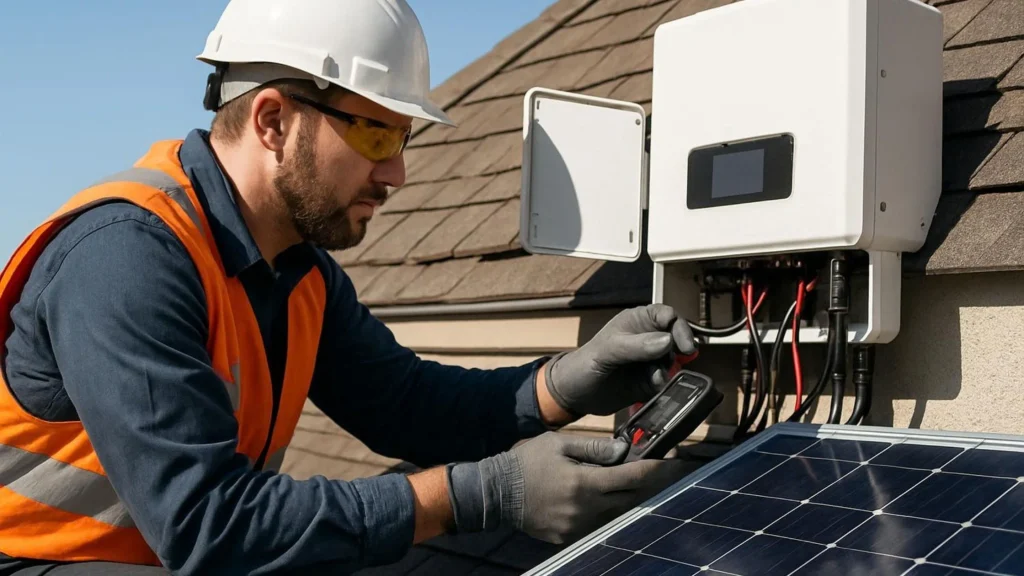
A manufacturer warranty generally covers qualifying defects in the inverter during the stated warranty period.
Depending on the product and warranty terms, this may include internal equipment failures or manufacturing defects that prevent the inverter from operating correctly.
The warranty may provide a repair, replacement unit or another remedy specified by the manufacturer.
However, not every inverter problem is automatically covered.
Warranty exclusions can vary, but may include damage caused by incorrect installation, unauthorised modifications, misuse, physical damage, external events or failure to follow specified requirements.
This is why the warranty document should always be reviewed rather than relying solely on information provided at the time of purchase.
Different Types of Inverter Warranty
There can be several layers of protection associated with a solar inverter.
Manufacturer Product Warranty
This is the warranty provided by the inverter manufacturer. It generally relates to defects or failures in the equipment itself.
The length and conditions depend on the brand and model.
Extended Warranty
Some manufacturers or suppliers offer extended warranty options. These can provide additional coverage beyond the standard warranty period.
Homeowners should check whether an extension needs to be registered within a particular timeframe and whether additional conditions apply.
Installation Warranty
Installation workmanship can be covered separately from the inverter manufacturer’s warranty.
If an inverter problem is related to incorrect wiring, installation or system configuration, the relevant responsibility may fall under the installation agreement rather than the manufacturer’s product warranty.
Understanding this difference can make the claims process much clearer.
Common Signs of an Inverter Problem
An inverter fault does not always mean the equipment needs to be replaced.
Several symptoms can indicate that the system requires professional attention.
These can include:
- An inverter displaying a fault or warning code
- The system suddenly stopping production
- Frequent inverter shutdowns
- Unusual noises or overheating
- Monitoring showing no solar generation
- Repeated error messages
- A fault that appears at a particular time of day
- Solar production being significantly lower than expected
Some issues may be temporary or related to grid conditions rather than a failed inverter.
For example, an inverter can disconnect from the grid when electrical conditions fall outside permitted operating limits. In such cases, replacing the inverter may not solve the underlying issue.
A qualified solar professional can assess the system and identify the likely cause.
Solar Inverter Repair Canberra Homeowners Should Consider
When an inverter develops a problem, the first step is normally diagnosis rather than immediate replacement.
Professional solar inverter repair can involve checking the inverter display, monitoring data, electrical connections, system configuration and other components.
The technician may also need to determine whether the problem originates from the inverter or another part of the solar installation.
For example, a fault may be associated with wiring, protection equipment, communication systems, solar panels or grid conditions.
Attempting to open or repair an inverter yourself is not recommended. Solar systems contain electrical equipment that can remain hazardous even when the system appears to be switched off.
Electrical diagnosis and repairs should be performed by an appropriately qualified professional.
How a Solar Inverter Warranty Claim Works
The warranty claim process varies between manufacturers, but keeping good records can make it easier.
If your inverter develops a fault, record the problem as soon as possible.
Take a photograph of the inverter display if an error code appears. Keep screenshots from the monitoring application if production has changed. Note when the problem started and whether the system has experienced similar issues previously.
Useful documents can include:
- Original purchase invoice
- Installation documentation
- Inverter model number
- Inverter serial number
- Warranty certificate
- Installation date
- Fault codes
- Photographs
- Monitoring information
- Previous service records
The installer or manufacturer may request some or all of this information when assessing the claim.
Do not arrange unauthorised repairs or dispose of the inverter before confirming the warranty process. The manufacturer may require inspection, testing or specific procedures before approving a warranty remedy.
Repair or Replacement: What Happens Under Warranty?
A warranty does not necessarily mean that a technician will repair the original inverter.
Depending on the warranty terms and the nature of the fault, the manufacturer may repair the unit, provide a replacement inverter or offer another remedy.
The process can also depend on the availability of replacement equipment.
If the original inverter model is no longer manufactured, the manufacturer may have specific procedures for supplying an equivalent or suitable replacement.
Homeowners should ask what is included in the warranty before agreeing to any work.
For example, determine whether the warranty covers only the equipment or whether associated labour and installation costs are also covered under the relevant terms.
When Does an Inverter Need Replacement?
Replacement may be considered when an inverter has suffered a significant failure, cannot be economically repaired or is no longer supported.
However, a fault code by itself does not automatically mean replacement is necessary.
An experienced technician should first identify the cause of the problem.
For an older system, replacement may also provide an opportunity to improve system compatibility, monitoring or future battery integration. However, any replacement should be based on the home’s electrical requirements and the existing solar system.
The replacement inverter should be correctly sized and compatible with the panels, electrical system and grid requirements.
Inverter Warranty and Canberra’s Climate
Canberra’s weather can expose outdoor electrical equipment to a wide range of conditions throughout the year.
Solar systems may experience hot summer temperatures, cold winter mornings, strong sunlight, dust, storms and changing weather conditions.
Where an inverter is installed outdoors, its location and installation conditions can influence its operating environment.
Good ventilation and appropriate installation are important because excessive heat can affect electrical equipment.
Homeowners should follow the manufacturer’s installation requirements and avoid covering or obstructing ventilation areas around an inverter.
If an inverter repeatedly overheats or shuts down, professional assessment can help determine whether the issue is related to the equipment, installation environment or another system problem.
Inverter Warranty Exclusions
Understanding exclusions is just as important as understanding what is covered.
Depending on the manufacturer, warranty exclusions may relate to:
- Incorrect installation
- Unauthorised modifications
- Physical damage
- Improper use
- Water or environmental damage outside specified conditions
- Electrical conditions outside permitted limits
- Failure to follow installation or operating instructions
- Repairs performed by unauthorised parties
The exact exclusions vary, so homeowners should read the warranty conditions for their specific inverter.
If a warranty claim is rejected, ask for the reason in writing and review the relevant warranty clause.
Choosing a Solar Inverter With Warranty in Mind
Warranty should be one consideration when selecting a Solar Inverter Canberra homeowners can rely on.
The inverter should also suit the size and design of the solar system.
Consider factors such as:
- Inverter capacity
- Panel compatibility
- Single-phase or three-phase requirements
- Monitoring capabilities
- Battery compatibility
- Manufacturer support
- Warranty conditions
- Installation requirements
- Product availability
- Service and replacement arrangements
A strong warranty is useful, but it should be considered alongside product quality and installation standards.
A correctly designed and professionally installed system can also make troubleshooting and future servicing easier.
Keeping Your Inverter Warranty Documents
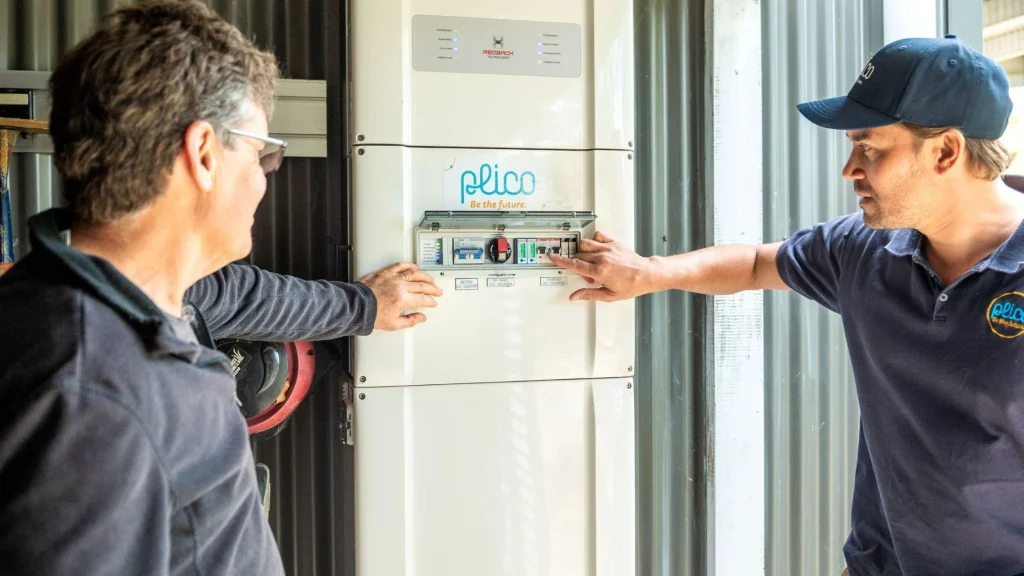
Good documentation can save time when an issue occurs several years after installation.
Keep the inverter manual, warranty certificate, purchase invoice and installation documents in a safe place.
Record the inverter’s model and serial number. If your system has a monitoring application, keep access details and retain useful production records.
It is also worth keeping records of professional inspections, repairs and component replacements.
These documents can be especially useful if you sell your home. A future homeowner may need the information to understand the existing solar system and determine whether warranty coverage remains available.
Solar Inverter Warranty and Homeowners
For homeowners, an inverter warranty is more than a document stored after installation. It can become important when the system develops an unexpected fault.
Understanding the difference between product warranty, installation warranty and other forms of protection helps homeowners identify the appropriate next step.
If the inverter stops working, avoid immediately assuming that the equipment has failed. A professional diagnosis can determine whether the problem is related to the inverter, panels, wiring, grid conditions or another component.
This approach can prevent unnecessary replacement and help ensure that warranty claims are handled correctly.
Final Thoughts on Solar Inverter Warranty Canberra
Understanding Solar Inverter Warranty Canberra requirements can help homeowners make more informed decisions when installing and maintaining a solar system.
The inverter has a separate warranty from the solar panels, and its coverage can depend on the manufacturer, model, installation and specific warranty conditions.
Keep your invoices, warranty documents, serial numbers and service records. If an inverter develops a fault, document the problem and arrange professional assessment before attempting repairs or replacement.
Whether the solution involves a warranty claim, solar inverter repair or a complete replacement, understanding your coverage can make the process easier and help protect your home’s solar investment.
Need help with a faulty inverter, warranty claim or replacement? Get in touch with Woden Valley Solar and Electrical for professional solar inverter support in Canberra.