


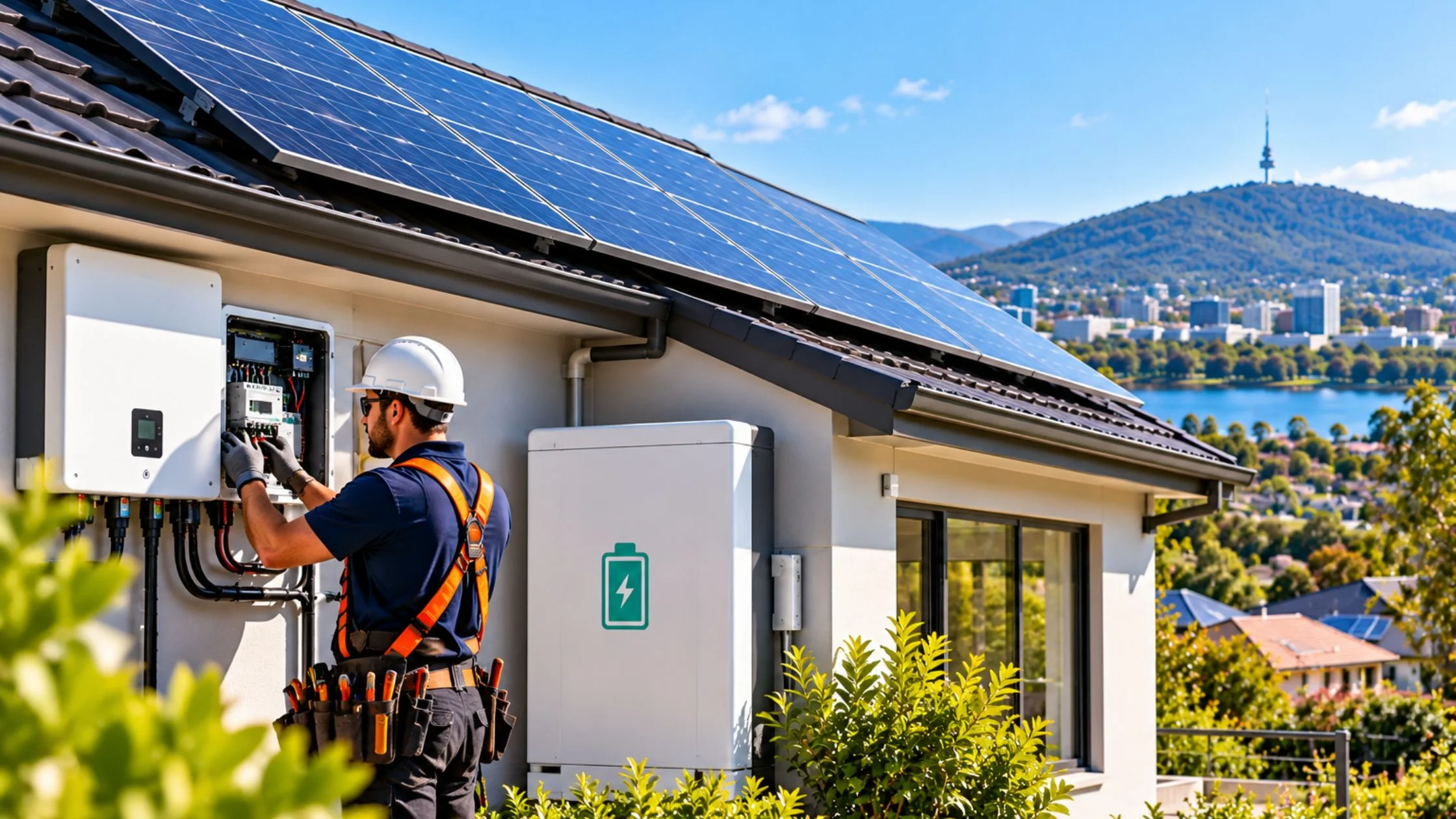
Solar panels help Canberra homeowners generate electricity during daylight hours. However, much of a household’s electricity demand often occurs in the evening, when solar production has dropped. Without battery storage, surplus daytime electricity may be exported to the grid, leaving homeowners to purchase electricity later.
Adding a Battery to an Existing Solar System Canberra is a practical option for households that want to make better use of their solar generation. A suitable battery can store excess electricity for evening use, support changing household energy needs and reduce reliance on grid power.
The process is known as a solar battery retrofit. It involves assessing the existing panels, inverter, switchboard and electrical setup before choosing compatible equipment.
Not every solar system needs to be replaced to accommodate a battery. Many existing installations can be upgraded, although the best solution depends on the equipment already installed and the home’s energy requirements.
This guide explains battery compatibility, installation options, electrical considerations and the steps Canberra homeowners should take before upgrading.
Why Add a Battery to an Existing Solar System?

Solar panels produce the most electricity in the presence of sunlight. But this is not always the case for household demand. Cooking, heating, cooling, lighting, entertainment and more can still be enjoyed after dark.
A home battery can fill in this gap by storing electricity when it is being generated by the sun and releasing when it is needed.
Make Better Use of Solar Energy
Solar energy that is not used is typically fed back into the grid. The household could get a feed-in credit, but the amount of this credit can be less than the price they pay for electricity in the future.
A battery can store the surplus energy if it is appropriate, rather than being exported at the moment. The stored electricity can then be used for appliances when the sun isn’t making as much electricity.
The net benefit is dependent on the amount of excess energy, the battery efficiency, the tariff for electricity and the household energy consumption.
Support Changing Household Needs
There is a growing trend for many Canberra households to switch to electric appliances, to heat and cool their homes using a reverse-cycle system, and to install electric vehicle charging stations.
These changes can increase the amount of electricity used and change its timing. If this is the case, a battery could be used to help satisfy some of this demand, if it is capable of providing the right capacity and output for the household.
But a battery is no alternative to sufficient solar production. If the current panels are not generating much surplus electricity, the battery may not charge 100% through the solar power.
Improve Energy Independence
The battery can store electricity to lower electricity use from the grid. It can be beneficial if there’s a high demand for electricity at night in the home, or if electricity charges are lower at night.
Battery systems can also provide backup power when the grid goes down. The system design needs to have this feature as this is not a feature that can be added to the system after it has been built.
Is Your Existing Solar System Compatible With a Battery?
Prior to choosing a battery, get a current solar system evaluation. There is more to compatibility than just matching up a battery’s brand and/or capacity to the panels.
Check the Existing Inverter
One of the most critical parts of a solar battery retrofit is the inverter. It takes care of the conversion of electricity from the panels to the house circuits to the electrical grid.
There are solar inverters that are only intended for solar generation. They are not directly connected to a battery unless one has additional equipment.
This limitation can be overcome in two ways: installing an additional battery inverter or taking out the current inverter and installing a different hybrid inverter.
The inverter specifications, age, condition and operating modes supported should be evaluated by an installer before either of these options is recommended.
Review the Solar Panel Capacity
The existing solar array size will determine the amount of energy that can be stored in the battery.
If a home has moderate daytime power usage, along with the right size solar array, the excess production generated from the solar array on many sunny days could power a battery. If a household has a high daytime demand, it may be able to store fewer units of solar PV power.
Seasonality can also be a factor with Canberra. Less daylight during the winter and cloudy skies and increased heating needs can decrease charging energy available.
By looking at monitoring data from various seasons, the viability of the current monitoring system to accommodate the proposed battery can be assessed.
Check Electrical Supply and Switchboard
Switchboard, metering devices, protective devices and wiring should be appropriate to upgrading.
If a battery needs to be installed in an older home, it may require electrical upgrades before installation. The work might involve protective equipment changes, wiring or metering changes.
A Canberra electrician will be able to check the electrical supply at the premises and determine the work needed to safely connect the battery.
Installers should also ensure the grid connection and applicable export limits.
AC-Coupled vs DC-Coupled Battery Systems
There are two ways to set up batteries: AC coupled and DC coupled. Knowing this difference makes it easier for homeowners to make comparisons of retrofit ideas.
AC-Coupled Battery Systems
Typically, an AC-coupled system will keep the previous solar inverter and include an inverter that converts the DC power from the solar array to AC.
The solar inverter changes the direct current generated by the solar panels into alternating current that can be used by household equipment. The battery inverter controls the charging and discharging of the battery.
If there is excess solar electricity, this can be stored in the system. The battery then feeds power into the household circuits, when needed.
This type of arrangement can often be used for an existing solar system to eliminate the need to replace an existing solar inverter.
Other equipment, wiring and conversion stages may impact installation needs and overall efficiency, however. Compatibility remains to be determined.
DC-Coupled Battery Systems
Most often, a hybrid inverter is used to control solar generation and storage in a DC coupled system.
The panels and the battery are connected to the direct-current side of the inverter, enabling the equipment to control the energy flow in the system.
This may need the existing inverter to be replaced with a hybrid model that is compatible with the installation. May also be in the form of changing the configuration of the solar array.
If you’re looking for a more seamless installation, you might consider a hybrid inverter, although it isn’t always the best choice for every household. Existing equipment, installation costs, warranties and future plans should guide the decision.
Which Option is Better for Canberra Homes?
AC coupling could be appealing if the existing solar inverter is still functioning and can be used. If you are upgrading the inverter or you are considering an upgrade in conjunction with the solar and storage system, then it may make sense to consider DC coupling.
The selection depends on the type of installation that is performed. Inquire about the equipment needed, potential losses, back-up systems, and impact on current warranties.
Choosing the Right Battery Capacity
The battery’s capacity is indicated in kilowatt hours (kWh). It shows the amount of energy that a battery can store and release over time. Kilowatts (kW) refer to the amount of power that the battery can produce on a specific instant.
These numbers vary, and they are important factors for the selection of a system.
Assess Your Evening Electricity Use
First, check the amount of post-dusk electricity used. Typical evening demand can be determined by looking at your electricity bills and at the monitoring data available.
Take in account the most frequently operated appliances such as lights, cooking equipment, television sets, computers and heating or cooling systems.
A battery size should be determined by actual energy requirements and not by the largest size possible. If the battery is too large, it may not charge properly on an average day, and if the battery is too small, it could lead to loss of stored energy before the end of evening use.
Consider Seasonal Changes
The temperatures that occur in Canberra’s winter periods differ from those in the summer periods of the year, which can lead to varying energy needs.
Solar generation is lower in winter which can lead to higher electricity demand for winter heating. Demand can go up during the summer season due to the use of air conditioning systems, but there may be periods during the day where solar generation is occurring.
These seasonal differences should be taken into account in a battery assessment but not just based on the data from one month.
Understand Usable Capacity and Power Output
The energy content of a battery advertised and provided for use may not be the same. Make comparisons of usable capacity, continuous power output and manufacturer’s operating limits.
If two or more appliances have to operate at the same time, then the battery and inverter must be capable of providing the necessary power. A very large battery could still not be able to run a high demand appliance if it only outputs a small amount of power.
Discuss with your customer the critical loads and back-up before deciding on battery size.
Battery Installation Requirements and Safety
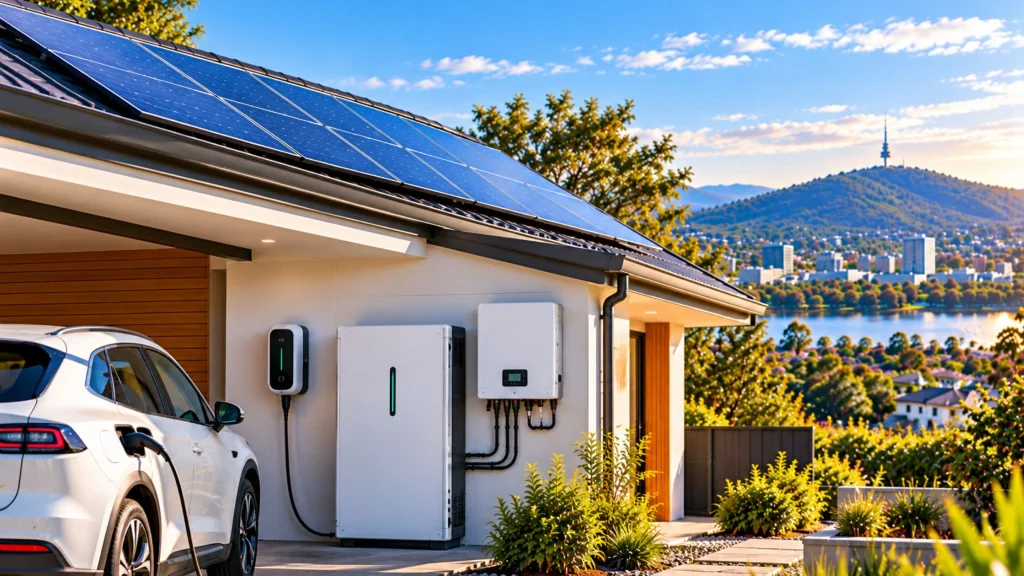
One of the key aspects of battery installation is the battery positioning. The site must comply with the relevant Australian Standards and manufacturer’s guidelines.
Choosing a Suitable Location
Depending on the design and installation rules, a battery can be mounted on an outdoor or indoor location, which is suitable.
The various physical properties of the wall materials, ease of access, ventilation if necessary, weather exposure, drainage and physical protection should be evaluated by the installer.
Batteries must also comply with requirements for separation distances from doors, windows and habitable areas. Not all garages, hallways or exterior walls are appropriate.
The summers are hot and the winters are cold in Canberra. See if the battery requires sheltered installation and other protection to ensure it functions over temperature limits.
Electrical Protection and Wiring
New cables, circuit protection, isolation equipment and switchboard changes may be necessary. These factors need to be properly specified and configured.
It’s also important to have a battery system with the right control gear and communication between the battery, inverter and monitoring platform.
Electrical work should be undertaken by suitably licensed professionals, having the relevant battery installation accreditation and qualifications. The installation of batteries and the adjustment of solar wiring should never be done by a homeowner.
Backup Power During Outages
Some homeowners desire a battery since they wish their illumination and home devices to continue working when the power goes out.
Typical grid-tied solar installations typically go offline when the power is out, to protect workers and the electrical grid. This is not a property that is automatically removed by a battery.
Compatible equipment, isolation and a dedicated backup circuit or essential-loads board may be required for backup operation.
Inquire about the appliances that can be used during an outage, available power level and if the system can recharge from solar during an outage. Ensure these are confirmed in writing prior to installation.
The Solar Battery Installation Process
Installing a well planned installation begins with the assessment and ends with testing and documentation.
Step 1: Review the Existing Solar System
Gather details of the inverter model, panel specifications, installation records and monitoring data. This information will assist the installer in understanding what is currently installed.
Step 2: Determine Household Energy Use
Examine the energy bills and find out when the house consumes the most energy. Provide Electric Vehicle, Hot Water Heat Pump or other heating/cooling equipment plans.
Step 3: Check for Battery Compatibility
The installer should suggest an AC coupled or DC coupled design and ensure that the battery, inverter and control equipment are compatible.
Step 4: Check the Set Up Area
Check access, mounting requirements, weather exposure, safety clearances and any necessary electrical work.
Step 5: Validate Approvals and Installation Info
In the lead-up to the work, communicate with the network, the product and warrantability conditions, scope of electrical upgrade.
Step 6: Mount and Activate the Equipment
The installation crew installs the battery and other components, sets up the controls and performs electrical and functional tests.
Step 7: Read Monitoring and Operating Directions
Request the installer to perform a demonstration of the monitoring app and provide information regarding charging settings and how to recognize faults. Keep the commissioning documents and warranty information in a safe place.
Time will vary dependent on the complexity of the installation, availability of equipment and if any additional electrical work or approvals are required.
Battery Incentives and Support for Canberra Homeowners

Battery storage might become more affordable with funding, but it’s important to verify the qualifications before entering a contract.
The Australian Government’s Cheaper Home Batteries Program supports eligible battery installations with solar PV systems, new or existing. The rules of the programme have been changed from 1 May 2026, so please homeowners check the requirements, the equipment approved and the discount applicable before starting your installation. This discount does not apply to each installation.
The ACT Sustainable Household Scheme could also be an opportunity for households who qualify to access low interest loans for sustainable home improvements such as battery storage. Eligible concession-card holders may be able to apply for separate ACT support programs.
Qualification and accepted suppliers and funding requirements differ from program to program. Do not presume that all batteries, inverters or installations qualify.
Please check with the Australian Government’s Department of Climate Change, Energy, the Environment and Water and the ACT Government’s Climate Choices website for up-to-date information.
Common Mistakes to Avoid When Adding a Battery
Choosing a Battery Before Checking Compatibility
First buying of the battery can result in unwanted equipment modifications. Check the inverter configuration and battery specifications prior to purchasing a product.
Having Extra Storage Than Necessary
More capacity does not mean that a battery will cost less. Some of its capacity may be wasted if the existing panels are not able to charge it regularly.
Installing More Storage Than You Need
Older switchboards or improper wiring could need attention. If there is additional electrical work to be done, obtain an upfront estimate of what the extra work will cost.
Ignoring Electrical Upgrades
Back-up operation is dependent on equipment and installation design. Let people know what circuits will stay on during a power outage.
Backup operation depends on the equipment and installation design. Confirm which circuits will remain powered during an outage.
Overlooking Warranties and After-Sales Support
Check battery performance guarantees, inverter warranties, installation workmanship coverage and the process for reporting faults.
Also ask who will provide support if the original solar installer is no longer operating.