


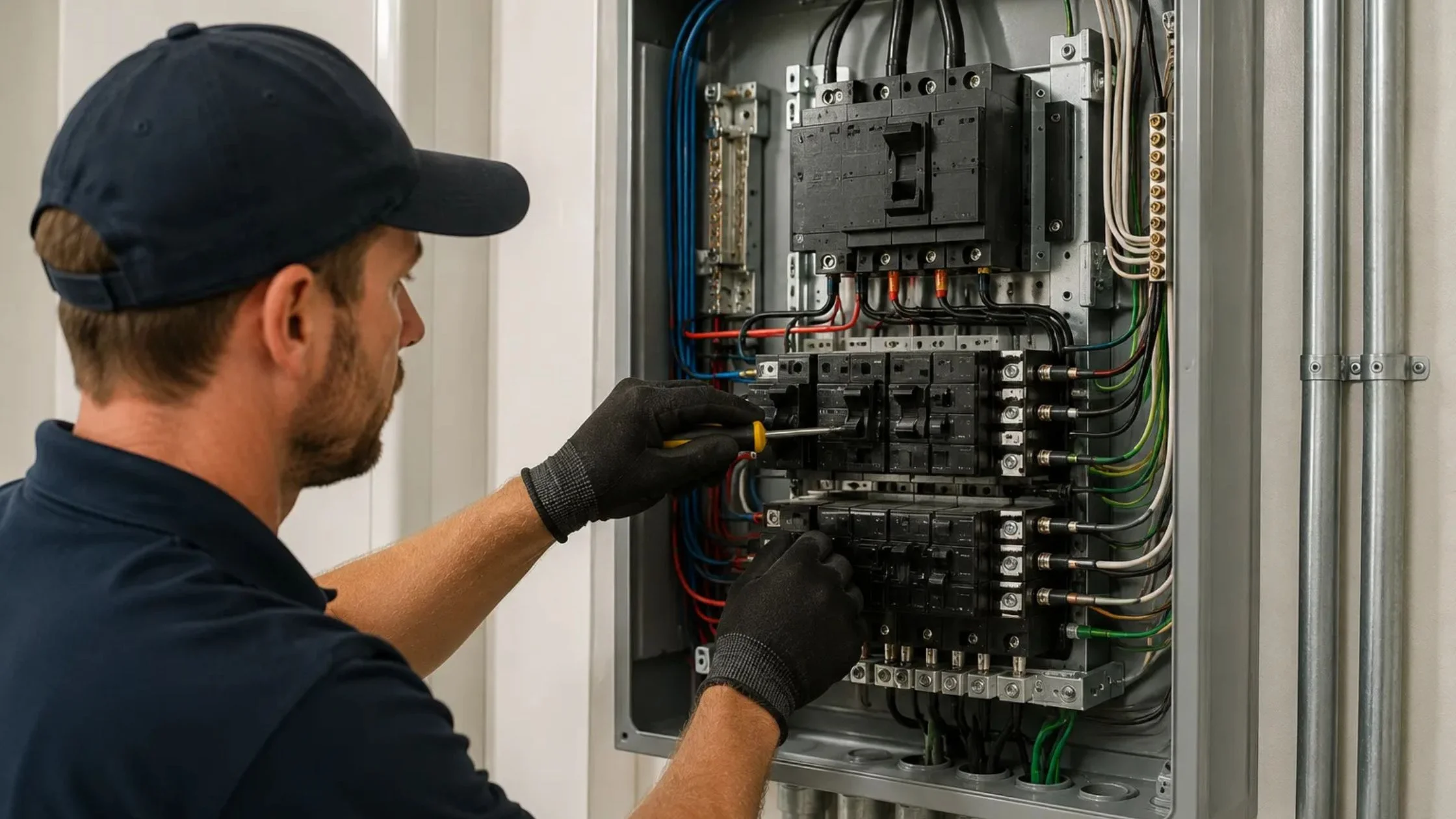
Electrical wiring is one of the most important parts of your home’s electrical system. It supplies power to lights, power points, kitchen appliances, heating, cooling and other equipment you use every day. However, wiring can deteriorate over time, especially in older properties or homes with outdated electrical installations.
Many Canberra homes were built when household electricity needs were much lower. Modern appliances, air conditioning, induction cooktops, solar systems and electric vehicle chargers can place extra demands on existing wiring.
Home rewiring in Canberra is not simply about replacing old cables. It is about improving electrical safety, supporting modern appliances and making sure your home’s electrical system suits everyday use. At Woden Valley Solar & Electrical, we understand the importance of reliable residential electrical systems. This guide explains the warning signs, rewiring process and key considerations for Canberra homeowners.

What Is Home Rewiring?
Home rewiring means replacing some or all of the existing electrical cables and related components in a property. The work may also include new circuits, power points, switches, safety devices and switchboard improvements.
The extent of the work depends on the age, condition and layout of the property. Some homes only need a section of damaged wiring replaced, while others may need a complete electrical upgrade. A licensed electrician first inspects the existing installation to find hazards, outdated materials and areas that may not meet current electrical requirements.
1. Warning Signs Your Home May Need Rewiring
Electrical problems do not always appear suddenly. Small warning signs often develop over time, and spotting them early can help prevent more serious faults.
Frequent Circuit Breaker Tripping
If your circuit breakers trip regularly, there may be a problem with the circuit. Overloaded circuits, damaged cables, faulty appliances and loose connections can all cause repeated tripping. Do not keep resetting a breaker without finding the reason. A licensed electrician can investigate and decide whether repairs, extra circuits or wiring replacement are needed.
Flickering or Dimming Lights
Lights that flicker, dim or behave unpredictably may point to an electrical fault. You might notice them dim when an air conditioner, washing machine or other appliance starts. The cause may be a fitting or appliance, but it can also be wiring, loose connections or circuit loading. Arrange an inspection to identify the cause.
Burning Smells Around Power Points
A burning or unusual plastic smell near switches, power points or electrical equipment should never be ignored. It may indicate overheating, damaged insulation or loose connections.
Warm or Discoloured Power Points
Power points and switches should not become unusually hot during normal use. Brown marks, melted plastic, cracks or visible damage can indicate overheating or a fault. Avoid using damaged outlets until a qualified professional has inspected and repaired them.
Buzzing or Crackling Sounds
Wiring and switches should not make persistent buzzing, crackling or sparking sounds. These noises may indicate loose connections, damaged components or electrical arcing. If you hear unusual sounds around your switchboard or power points, arrange a professional inspection rather than investigating the wiring yourself.
2. Why Older Canberra Homes May Need Electrical Rewiring
Older homes often have electrical systems designed for a different level of household use. In the past, properties generally had fewer appliances and lower power needs. Today, many households run several high-demand appliances at the same time.
Older wiring may also have deteriorated insulation, poor-quality past repairs or circuits that no longer suit current needs. Some properties may contain outdated wiring materials that need specialist assessment. A house rewiring project in Canberra can address these concerns by replacing unsuitable wiring and improving the electrical layout.
3. Electrical Safety Risks of Damaged Wiring
Damaged or deteriorated electrical wiring can create serious safety risks.
Electrical Shocks
Exposed conductors, damaged insulation and faulty connections can increase the risk of electric shock.
Safety switches provide important protection by detecting current leakage and disconnecting power. However, they do not make damaged wiring safe.
Electrical Fires
Loose connections, overloaded circuits and damaged cables can generate heat.
If the problem is not addressed, overheating may damage surrounding materials and increase the risk of fire.
Power Interruptions
Faulty wiring can cause repeated circuit trips, unreliable power supply and problems with electrical appliances.
These issues can affect everyday activities and may become more frequent as the installation deteriorates.
A professional inspection can help identify the source of the problem and determine the safest solution.
4. What Is Included in Electrical Wiring Replacement?
Electrical wiring replacement in Canberra can involve several parts of the installation. The exact work depends on the property and the condition of the existing system. Common improvements include:

- Replacing damaged cables: Old, deteriorated or unsuitable cables are replaced with appropriate wiring.
- Installing new circuits: Extra circuits may be needed for appliances, lighting or renovated areas.
- Upgrading power points: Damaged or outdated outlets are replaced, and more are added where needed.
- Improving switchboard protection: The electrician may recommend modern circuit breakers and suitable RCD protection.
- Checking earthing: Earthing is inspected to help ensure the installation has appropriate fault protection.
- Testing connections: The completed work is tested to confirm the circuits operate safely.
Not every home needs all of these improvements. Your electrician should explain which changes are necessary and why.
5. The Importance of Switchboard Upgrades During Rewiring
The switchboard distributes electricity to the circuits throughout your property and houses the protective devices that help manage faults. When a home needs extensive rewiring, the switchboard should be inspected too. Older boards may have limited space, outdated components or insufficient protection for modern installations.

A switchboard upgrade may include:
- Modern circuit breakers
- Appropriate residual current devices (RCDs)
- Clearly labelled electrical circuits
- A suitable enclosure
- Additional capacity for future circuits, where available
A properly planned switchboard upgrade complements rewiring work and makes future electrical improvements easier.
6. Adding New Power Points and Electrical Circuits
Rewiring is a good opportunity to improve the location and number of power points. Older properties often have limited outlets in kitchens, bedrooms, living areas and home offices, which leads to heavy use of extension leads and double adaptors. Think about where you regularly use appliances, computers, televisions and charging equipment.
Some appliances also need dedicated circuits, including:
- Electric ovens and induction cooktops
- Air conditioning systems
- Electric hot water systems
- Washing machines and dryers
- Electric vehicle chargers
Your electrician can assess the expected electrical load and decide on suitable circuit arrangements.
7. Preparing Your Home for Solar Panels and Battery Storage
More Canberra homeowners are considering solar energy and home batteries to manage electricity use. However, an older electrical installation may need improvements before new equipment can be connected.

Before installing solar panels or a battery, the electrician should assess the switchboard, wiring, earthing and electrical supply arrangements. A home may need additional circuits, updated protection or other improvements. Planning these needs early can help avoid unnecessary changes after the solar equipment is installed. If you are considering solar or battery upgrades in future, mention this during your first electrical inspection.
8. Electrical Wiring for Air Conditioning and Modern Appliances
Heating and cooling are important considerations for Canberra households because of the region’s cold winters and warm summer periods.
Installing a new split-system air conditioner or ducted heating and cooling system may require additional electrical capacity.
Older wiring may not be suitable for every new appliance.
An electrician can check the appliance specifications, circuit capacity, cable size and protective devices before installation.
The same approach applies when replacing gas appliances with electric alternatives, such as induction cooktops and electric hot water systems.
9. What Happens During a Home Rewiring Project?
Understanding the process helps you prepare for the work.
- Initial electrical inspection: The electrician examines the existing wiring, switchboard, outlets, circuits and relevant components. They also discuss any problems you have noticed and your future electrical needs.
- Planning the rewiring work: The electrician prepares a suitable work plan, which may include cable replacement, new circuits, power points, switchboard improvements and testing.
- Removing and replacing old wiring: The relevant electrical supply is isolated before work begins. Old or damaged cables are removed or disconnected as required and suitable replacement wiring is installed. Access through roof spaces, wall cavities or other areas may be necessary.
- Installing electrical accessories: New switches, outlets, circuit breakers and other components are installed according to the agreed scope.
- Testing and compliance: The electrician performs the required electrical tests on the completed work and provides the relevant electrical safety documentation.
10. How Long Does House Rewiring Take?
The time depends on the property’s size, layout, wiring condition and the extent of the work. A partial replacement may take far less time than a complete rewire. Other factors include:
- Number of rooms and electrical circuits
- Accessibility of walls and ceiling spaces
- Existing switchboard condition
- Number of new outlets and switches
- Additional electrical improvements
- Coordination with builders or other trades
Some projects need access through walls and ceilings, which can also affect plastering and painting schedules. Your electrician should explain the expected timeframe before work begins.
11. How Much Does Home Rewiring Cost in Canberra?
The cost of home rewiring varies depending on the property and the amount of electrical work required.
A small wiring repair is very different from replacing the electrical wiring throughout an entire house.
Important factors include the size of the property, number of circuits, accessibility, materials, labour and whether the switchboard needs upgrading.
Additional requirements, such as new power points, lighting and dedicated appliance circuits, can also affect the project.
Ask for a written quote that clearly explains the work included, materials, testing and any exclusions.
It is also useful to separate urgent safety repairs from optional improvements so you can plan the project in stages if appropriate.
12. Choosing the Right Residential Electrician in Canberra
Rewiring is specialised electrical work. Choosing an appropriately licensed professional is essential for safety and compliance.
When selecting a residential electrician Canberra homeowners should consider the following:
Check licensing: Confirm that the electrician holds the appropriate ACT electrical licence.
Review experience: Look for experience with residential wiring, older properties and electrical upgrades.
Request a written quote: Make sure the scope, materials, testing and exclusions are clearly explained.
Discuss future requirements: Explain whether you plan to install solar panels, batteries, air conditioning or an EV charger.
Ask about compliance: Confirm that the required testing and electrical safety documentation will be provided.
A reliable electrician should explain the condition of your existing installation and recommend work based on its actual requirements.
13. Electrical Rewiring Safety Checklist for Homeowners
Before arranging a rewiring project, consider these important points:
- Check for damaged, cracked or discoloured power points.
- Pay attention to repeated circuit breaker tripping.
- Arrange an inspection if you notice burning smells or unusual electrical noises.
- Discuss the condition of your switchboard.
- Identify appliances that may require dedicated circuits.
- Plan additional outlets before renovations begin.
- Discuss future solar, battery and EV charging requirements.
- Obtain a detailed written quote.
- Confirm the electrician’s ACT licence.
- Keep the electrical safety documentation after completion.
Never attempt to replace household wiring or repair electrical components yourself. Electrical wiring work must be handled by an appropriately licensed professional.
Conclusion: Make Electrical Safety a Priority
Safe electrical wiring is essential for protecting your home and supporting everyday electricity needs. Damaged cables, frequent circuit trips, flickering lights, overheating outlets and outdated electrical installations are all reasons to arrange a professional inspection.
Home rewiring can improve electrical safety, support modern appliances and prepare your property for future upgrades. The right solution depends on the condition of your existing wiring and the needs of your household.
At Woden Valley Solar & Electrical, we understand the importance of reliable residential electrical systems for Canberra homeowners. If you are experiencing electrical problems or planning a home upgrade, speak with a qualified electrician about the most suitable improvements for your property.
Make electrical safety a priority and ensure your home is ready for modern living.
Need professional home rewiring in Canberra? Contact Woden Valley Solar & Electrical today for reliable electrical inspections, wiring replacements and safe electrical upgrades for your home.