


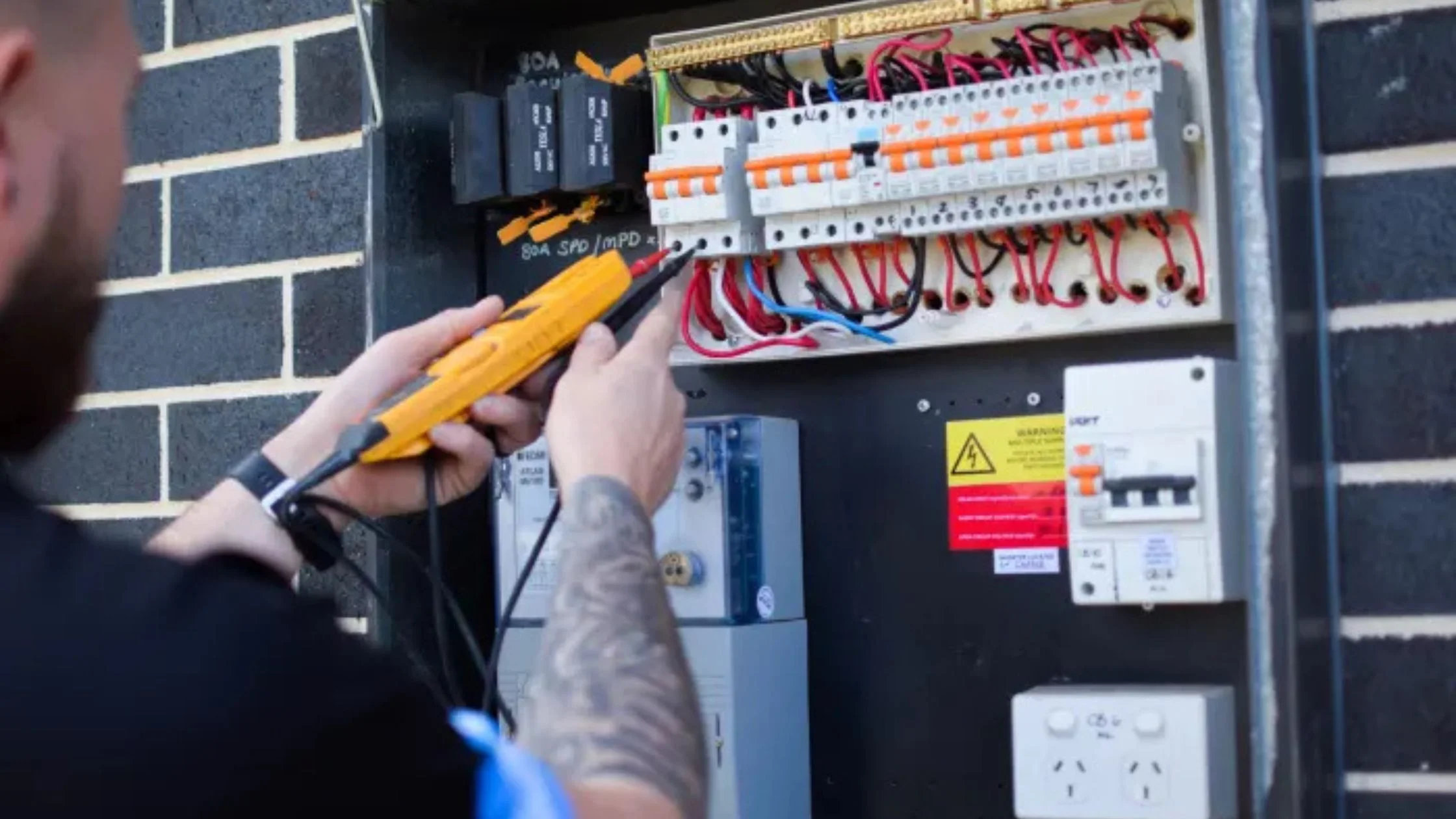
A home’s electrical system works quietly in the background, powering lights, appliances, heating, cooling and the devices we use every day. But household energy needs change over time. Older wiring, limited power points and an outdated switchboard can struggle to support modern appliances, renovations or a move towards all-electric living.
Residential electrical upgrades in Canberra are not only about convenience. At Woden Valley Solar & Electrical, we believe the right improvements can make your property safer, more practical and better prepared for future energy needs. These upgrades may include switchboard improvements, new circuits, extra power points, lighting changes, safety switches, data cabling and electrical capacity upgrades.
Why Consider a Residential Electrical Upgrade?
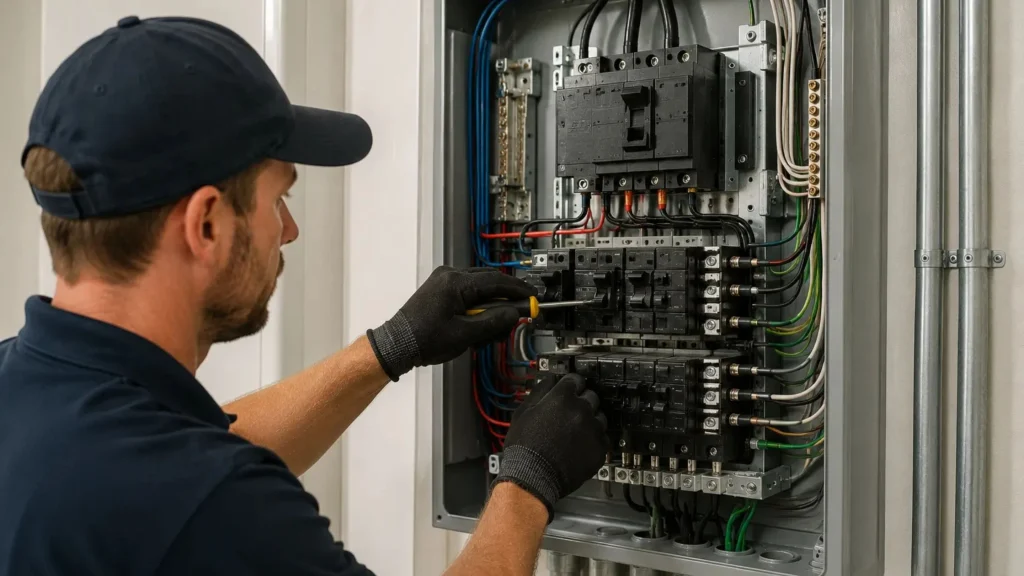
A lot of older houses were built with less electricity power. There might be just a few outlets in the kitchen, no convenient outlets in the bedrooms and not enough room for more circuits in the switchboard.
Modern homes are equipped with induction cooktops, big ovens, ducted heating and cooling, home offices, electric hot water systems, solar power inverters and EV charging stations. It is possible to overload an electrical installation if one or more high-demand appliances are used simultaneously.
Practical limitations can be overcome and electrical safety enhanced in the event of an upgrade. It can also provide future flexibility to accommodate future circuit expansion and equipment upgrades. Any work done that will modify the existing installation needs to be evaluated by a licensed electrician.
1. Switchboard Upgrades and Replacements
The switchboard is the central point that sends electricity to every circuit in your home. It holds the protective devices that manage faults and overloads. In older properties it may use outdated parts, have limited space or lack modern safety features.
A switchboard assessment may be worthwhile if you notice any of these signs:
- Frequent tripping
- Damaged components or burning smells
- Buzzing or heat around the board
- No room for new circuits
A modern upgrade may include suitable circuit breakers, residual current devices (RCDs), clear circuit labelling and space for future additions. The electrician will also check the main switch, earthing and the condition of connected wiring.
Planning an induction cooktop, air conditioning, a battery or an EV charger? Ask whether the existing board and electricity supply can handle the expected demand. The answer depends on the equipment, how you use power and the property itself.
2. Safety Switches and Circuit Protection
A safety switch, also called an RCD, is designed to disconnect power when it detects current leaking from a circuit. This can reduce the risk of serious electric shock. Circuit breakers perform a different role: they protect wiring from overcurrent and short-circuit conditions.
These devices are not interchangeable. A home may have circuit breakers but still need an assessment of its RCD protection.
If a safety switch trips, do not repeatedly reset it without finding the cause. A faulty appliance, damaged cable or moisture can trigger the device. Unexplained or repeated tripping deserves professional investigation.
3. Rewiring and Electrical Wiring Repairs
Wiring can deteriorate through age, heat, physical damage, poor installation or changes made during earlier renovations. Some older homes may contain wiring or accessories that are no longer suitable for present-day use.
Warning signs can include cracked or discoloured outlets, flickering lights, a burning smell, warm switch plates, buzzing sounds or breakers that trip regularly. Turn off the affected circuit if it is safe to do so and arrange an electrician’s inspection. If there is smoke or fire, leave the property and call emergency services.
A wiring upgrade may involve replacing damaged cable, improving earthing, installing new circuits or correcting unsafe connections. The electrician should inspect the installation and explain which sections need attention, why the work is needed and whether access through walls or ceilings will be required.
4. Adding Power Points and Dedicated Circuits
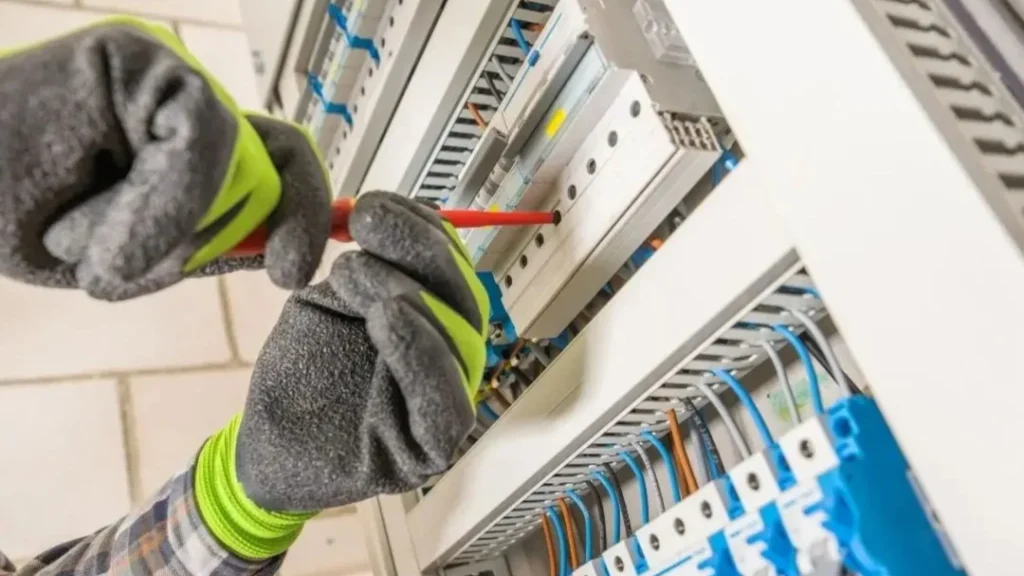
Extra power points make rooms easier to use and reduce reliance on double adaptors and extension leads. Think about outlet locations before you renovate a kitchen, add a home office, change a bedroom layout or create an outdoor entertaining area.
The position and number of outlets should suit how each room will be used. A kitchen needs outlets for fixed and benchtop appliances. A study benefits from outlets near desks and network equipment.
Some appliances need their own dedicated circuit instead of sharing a general one. Examples include ovens, cooktops, air conditioners, heat pumps and EV charging equipment. Your electrician will work out circuit needs from the appliance specifications, cable route and existing installation.
Avoid fixing repeated overloads with more adaptors or a larger fuse. The cause needs to be assessed so the wiring stays properly protected.
5. Energy-Efficient Lighting Upgrades
Lighting upgrades can improve comfort, visibility and energy use. Replacing older lamps with suitable LED fittings is a common improvement because LEDs generally use less electricity and have a longer service life than many traditional lamps.
A lighting plan should consider colour temperature, brightness, glare, dimmer compatibility and the location of fittings. In ceiling spaces, insulation and heat management also matter. A licensed electrician can check whether existing wiring and controls are suitable for the new fittings.
6. Electrical Upgrades for Air Conditioning and Heating
Canberra experiences cold winters and warm summer periods, so heating and cooling can be a significant part of household electricity use. Installing a split system, ducted air conditioner or heat pump may require a new circuit or changes to the switchboard.
If you are replacing an older gas appliance with an electric alternative, plan the electrical work as part of the wider project. The ACT Government notes that some homes need switchboard changes to support additional electric appliances, particularly where older boards have limited capacity or safety features. A licensed electrician can assess what is required.
7. Preparing for Solar, Batteries and EV Charging
Home electrification is changing how many Canberra households use power. Solar panels, home batteries, induction cooking, electric hot water and vehicle charging all affect electrical demand and how energy moves around a property.
Solar and batteries: Ask for your switchboard, metering arrangement, earthing and available capacity to be assessed. The system design should account for your current equipment and likely future additions.
EV chargers: A charger may need a dedicated circuit and suitable protection. The right capacity depends on your vehicle, charging habits, supply and installation conditions. A load assessment shows whether your home can support the charger alongside other appliances, or whether supply or switchboard changes should be considered.
It often makes sense to discuss planned upgrades together. Coordinating a switchboard replacement, solar installation and EV charger may reduce duplicated work, although the best order depends on your property and each project.
8. Data, Communication and Smart Home Wiring
Electrical planning can include data and communication cabling too. A reliable wired network can support home offices, access points, security systems, cameras and smart home equipment.
Smart switches, sensors, automated blinds and energy monitors may need compatible wiring or control equipment, so check product requirements before you buy. Keep appliance manuals and records of previous electrical work. Clear circuit labels also help future trades plan changes safely and efficiently.
9. Planning Electrical Work During Renovations
Renovations are a great chance to review your electrical needs before walls are closed and finishes go in. Discuss furniture layouts, appliance locations, lighting, data points and future equipment with your electrician and builder early in the design.
Ask for a clear scope that lists the circuits, outlets, fittings, switchboard work and testing included. Older Canberra properties can hide issues that only appear once work begins, so your quote should explain how variations are handled if damaged wiring or inaccessible cable routes are found.
10. How to Choose a Residential Electrician in Canberra
Electrical wiring work in the ACT must be carried out by an appropriately licensed electrician. Before accepting a quote, check the contractor’s licence and confirm it covers the work proposed. Ask about relevant experience, insurance, expected timeframes and who will actually do the work.
A useful quote describes the work instead of only listing a total. It should identify equipment, materials, circuit changes, exclusions, testing and any likely extra costs. For a switchboard or major upgrade, ask whether the existing installation needs further work to meet current requirements. For bigger projects, get more than one quote and compare scope and equipment quality as well as price.
11. What Happens During an Electrical Upgrade?
- Inspection: The electrician discusses your needs and checks the switchboard, wiring, circuits, earthing and supply arrangements.
- Scope and quote: You receive a written scope and price.
- Booking: Once you approve, materials are arranged and a work date is set.
- Installation and testing: The work is completed, tested and checked for safety and compliance.
- Paperwork: In the ACT, a Certificate of Electrical Safety must be provided for completed electrical wiring work. Keep your copy with your renovation and property records.
12. Understanding Costs and Priorities
The cost of home electrical upgrades in Canberra varies with the size of the job, the age and condition of the installation, access, materials and the number of circuits involved. Adding one outlet is very different from replacing a switchboard or doing a full rewire.
Rather than choosing on price alone, ask your electrician to separate urgent safety repairs from convenience upgrades and future-ready additions. That makes it easier to plan a staged project while dealing with risks first.
13. Electrical Upgrade Checklist for Homeowners

Before work begins, consider the following points:
- List appliances you use now and those you may add in the next few years.
- Note outlets, switches or lights that are damaged, inconvenient or unreliable.
- Record repeated circuit trips, flickering lights or unusual smells.
- Ask whether the switchboard has enough capacity and suitable protection.
- Discuss dedicated circuits for major appliances and EV charging.
- Plan lighting and data points around room layouts and furniture.
- Check the electrician’s ACT licence and insurance.
- Request a written scope, quote and timeframe.
- Obtain the Certificate of Electrical Safety and retain it after completion.
Conclusion: Make Your Home Safer and Ready for the Future
A well-planned electrical upgrade can improve safety, everyday convenience and the ability to support modern household technology. From switchboard improvements and safety switches to additional circuits, efficient lighting, air conditioning and EV charging, the right work depends on the home’s condition and your plans.
Avoid treating electrical issues as do-it-yourself projects. Arrange an assessment with a licensed residential electrician in Canberra, ask for clear recommendations and keep the compliance documents supplied after the work. With a sensible plan, you can address immediate concerns and prepare your home for changing energy needs.
If your property needs an electrical inspection, switchboard upgrade or new circuits, speak with a qualified local electrician. Explain how your household uses power and what you may add in future so the recommended work is practical, safe and suited to your home.
Need reliable electrical upgrades for your home? Contact Woden Valley Solar & Electrical today to arrange a professional residential electrical assessment in Canberra and make your home safer, smarter and ready for the future.
Phone: +61431 262 728
Email: info@wodenvalley.com.au
Website: https://wodenvalleysolarnelectrical.com.au/
Location: Unit 5/5 Tooth St Mitchell ACT 291