


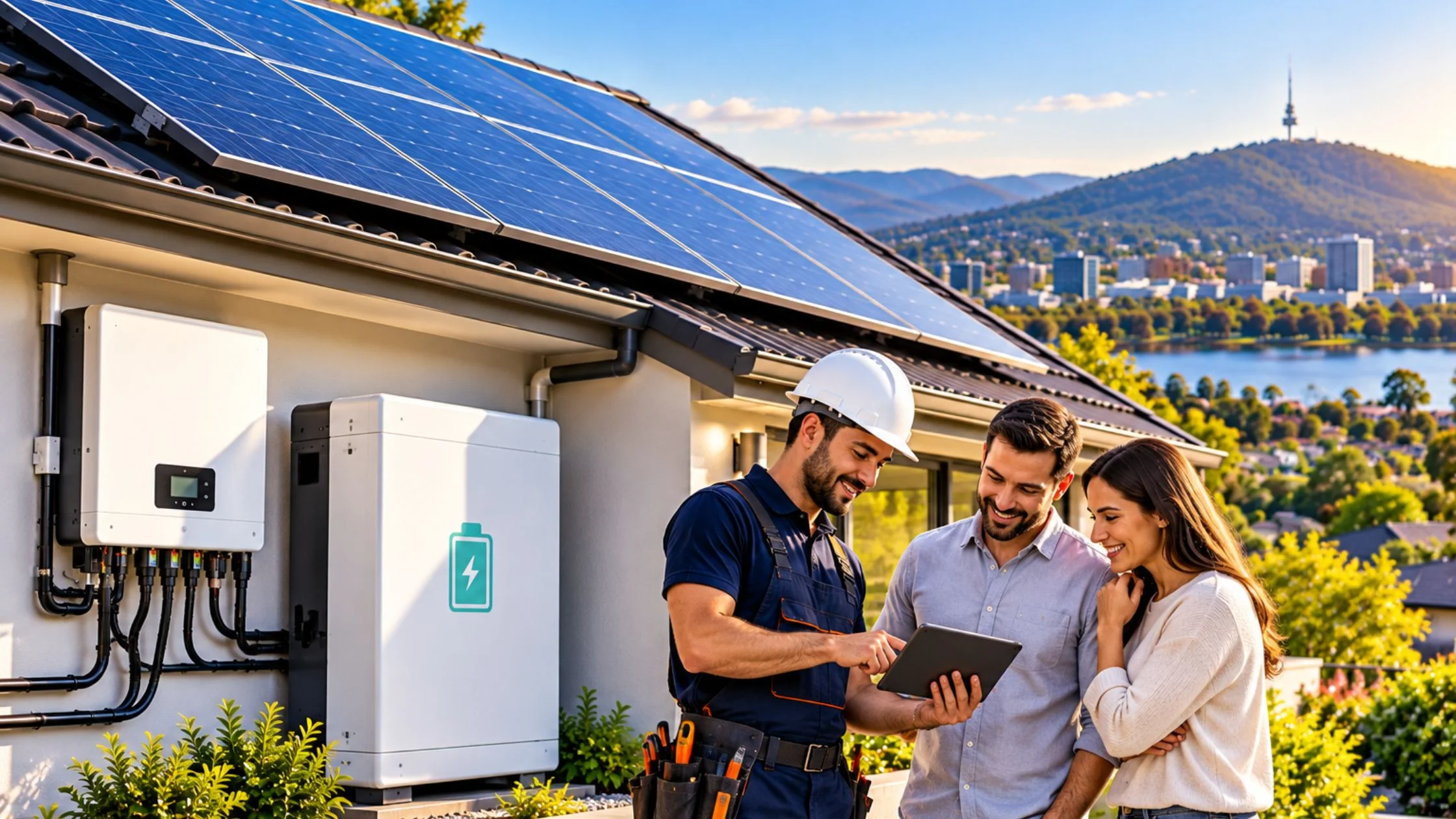
Adding more solar panels to an existing system can help Canberra homeowners generate more electricity for their household. As energy use changes, an older solar installation may no longer provide enough power to meet daily needs. New appliances, electric vehicles, air conditioning and growing family requirements can all increase electricity consumption.
However, expanding an existing solar system is not always as simple as installing extra panels on the roof. The current inverter, roof space, electrical configuration, panel compatibility and applicable installation requirements all affect what is possible.
Adding More Solar Panels to an Existing System Canberra homeowners already have can be a practical option, but the right approach depends on the condition and design of the original installation.
This guide explains the available options, the main technical limitations and the important checks to make before expanding a residential solar system in Canberra.
Why Add More Solar Panels to an Existing System?
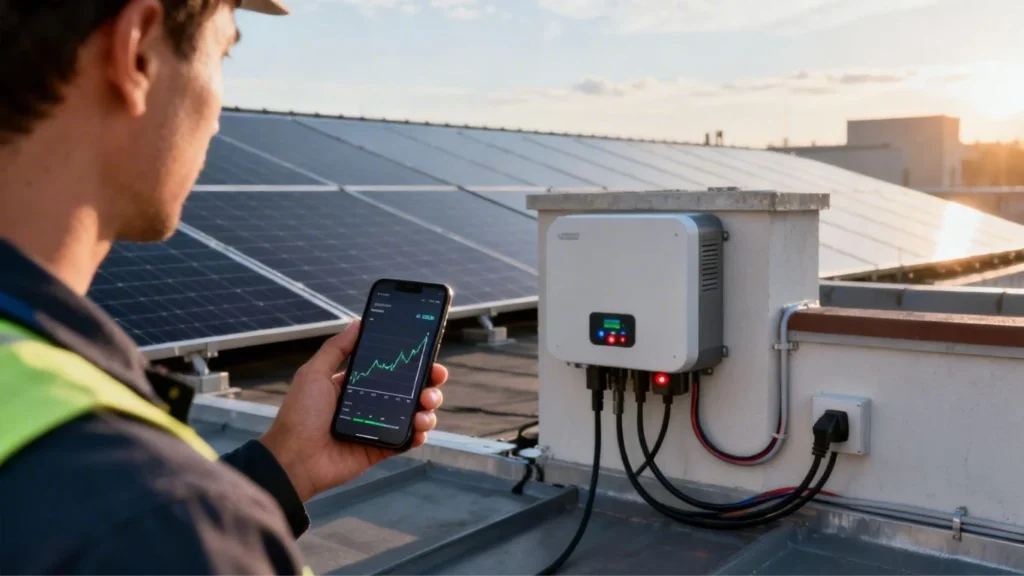
Household energy needs often change over time. A solar system that once met most daytime electricity needs may struggle to keep up as a home becomes more energy dependent.
Several situations can make an expansion worth considering.
Increased Household Electricity Use
A family may add new appliances, work from home more often or increase the use of heating and cooling. These changes can increase electricity demand during daylight hours.
Adding suitable solar capacity may help the household generate more of its own electricity when the sun is available.
Installing an Electric Vehicle Charger
Electric vehicles can increase household electricity consumption, particularly when charging takes place at home.
Additional panels may help supply some of the electricity needed for charging during the day. However, the benefit depends on when the vehicle is connected, how much energy it needs and whether the home has suitable charging arrangements.
A solar expansion should be planned alongside the home’s electrical requirements rather than treated as a panel-only project.
Adding Electric Heating and Cooling
Reverse-cycle air conditioning and electric heating can increase electricity use during Canberra’s hot summers and cold winters.
Extra solar generation may help meet some daytime demand. Seasonal production still matters, because shorter winter days and changes in weather can reduce the amount of electricity available.
Making Better Use of Available Roof Space
Some homeowners install a smaller solar system initially and later decide to use more of their available roof space.
If the roof has suitable areas that receive good sunlight, an extension may be possible. The installer must still check shading, roof orientation, structural suitability and the electrical design.
Can You Add More Panels to an Existing Solar System?
Yes, in many cases, additional panels can be installed. However, the existing equipment must be suitable for the expansion.
The first step is to identify the system already installed at the property.
This includes the number and type of panels, inverter model, array configuration, wiring and available roof space. Installation records can help, but an on-site assessment may still be needed to confirm the current condition.
There are several common approaches:
- Adding panels to a suitable existing inverter.
- Replacing the existing inverter with a compatible model.
- Installing a separate inverter for the additional panels.
- Redesigning or replacing a larger part of the existing system.
Each option has different technical requirements. A qualified installer should compare the available choices before recommending a solution.
Option One: Adding Panels to the Existing Inverter
One possible approach is to connect extra panels to the inverter already installed at the property.
This may be suitable when the inverter has sufficient capacity and the proposed panels can be configured within its operating limits.
However, inverter capacity is only one part of the assessment. The installer must also check the permitted DC input, voltage range, current limits, string configuration and the number of available connections.
The characteristics of the existing panels matter as well.
If the original and new panels have different electrical specifications, connecting them in the same string may affect performance or fall outside the equipment’s operating requirements.
The installer should confirm compatibility rather than assume that any modern panel can be added to the existing array.
Option Two: Upgrading the Existing Inverter
An inverter upgrade may be appropriate when the current unit cannot support the proposed expansion.
A replacement inverter may provide suitable input capacity or a configuration better suited to the enlarged array.
However, changing the inverter requires more than selecting a model with a higher rating. The entire system must be checked to ensure the panels, wiring, protection equipment and electrical connections remain compatible.
The condition of the existing panels should also be considered. An inverter upgrade may not be the best approach if the original array has significant faults or is nearing the end of its useful service life.
A system assessment helps determine whether upgrading the inverter is a sensible technical option.
Option Three: Installing a Separate Inverter
In some situations, the additional panels can be connected to a separate inverter instead of changing the original equipment.
This arrangement can allow the new array to operate independently of the existing panels.
It may be useful when the original inverter has limited capacity or when the new panels will be installed on a roof section with a different orientation.
However, adding another inverter introduces additional equipment, electrical connections and installation requirements. The switchboard, available space, protection arrangements and system design must all be assessed.
The installer should explain how the existing and new systems will operate together and how their performance can be monitored.
Checking Roof Space and Panel Placement
Roof space is one of the main limitations when expanding a residential solar installation.
Even when a roof appears large enough, not every section will be suitable for panels. Chimneys, skylights, vents, roof access areas and surrounding buildings may restrict the available space.
Roof orientation also affects solar generation.
Panels facing different directions may produce electricity at different times of the day. This can be useful for matching generation to household demand, but the system must be designed appropriately.
Shading should be assessed carefully. Trees, neighbouring buildings and rooftop structures can reduce the output of affected panels.
Before adding panels, the installer should check roof condition, available mounting areas and any access or maintenance requirements.
Panel Compatibility and Electrical Design
Compatibility becomes particularly important when new panels are added to an older installation.
Solar panels differ in rated output, current, voltage, dimensions and temperature characteristics. These differences affect how panels can be arranged and connected.
In a series-connected string, the electrical characteristics of the panels influence the performance of the entire string. Combining unsuitable panels can create operational limitations.
A qualified installer should review the original panel specifications and determine whether the proposed expansion can operate correctly.
Where suitable, separate strings or independent power electronics may help manage panels with different orientations or characteristics.
The correct design depends on the equipment and the property’s conditions. It should not be decided by panel wattage alone.
Understanding Inverter Capacity Limits
An inverter converts the direct-current electricity produced by solar panels into alternating-current electricity used by household appliances.
Every inverter has defined operating limits. Adding panels beyond those limits can create electrical or performance problems.
The installer should check the maximum permitted DC input, operating voltage, current limits and approved configuration.
It is also important to distinguish between the combined rated output of the panels and the inverter’s AC output rating. These figures describe different parts of the system.
Some systems are designed to accommodate a particular relationship between panel capacity and inverter capacity. Any expansion must remain within the manufacturer’s requirements and applicable installation rules.
A larger panel array does not automatically mean the existing inverter can safely accommodate it.
Electrical Connections and Switchboard Capacity
Adding solar panels may require changes to the electrical installation.
The installer should inspect the switchboard, wiring, protective devices, isolators and earthing arrangements as relevant to the proposed design.
The existing switchboard may need attention if it is old, has limited capacity or does not meet the requirements for the revised installation.
Cable sizing and connection methods also matter. Electrical components must be suitable for the expected current and installation conditions.
These checks help protect the household and ensure the expanded system can operate as intended.
Homeowners should use appropriately licensed electrical professionals for the work and obtain the required documentation after completion.
Canberra Weather and Seasonal Solar Generation
Canberra’s climate should be considered when planning a solar expansion.
Longer summer days can provide strong opportunities for solar generation, while shorter winter days and cloud cover can reduce output. Household demand may also change with the seasons, especially when heating and cooling are used more frequently.
The aim should be to design an array that suits the household’s energy use rather than simply install the maximum possible number of panels.
Roof orientation, shading, ventilation and the condition of mounting equipment are also important.
A professional assessment can help estimate how additional panels may affect generation across different seasons and whether the proposed layout suits the property.
Adding Panels to an Older Solar System
Older solar installations can present challenges that newer systems may not have.
The original inverter may have limited input capacity, and the original panels may no longer be readily available. Existing wiring, mounting equipment or documentation may also require closer inspection.
Before expanding the array, the installer should establish whether the current equipment is in suitable condition.
If the original panels are operating reliably and the inverter can accommodate additional capacity, an extension may be practical.
If several components are outdated or incompatible, upgrading a larger part of the installation may provide a more suitable long-term design.
The decision should be based on the actual condition of the system, not its age alone.
Australian Standards and Installation Requirements
Solar system expansions must comply with applicable electrical safety requirements, installation standards and relevant network connection conditions.
Depending on the proposed changes, the installer may need to review the system’s connection arrangements and confirm whether approval or updated documentation is required.
Requirements can vary according to the system design, inverter and local network conditions.
Homeowners should ask the installer to explain which requirements apply to their property and who will manage the necessary checks.
The completed work should be documented, including details of the installed equipment and any relevant commissioning information.
This creates a useful record for future servicing, troubleshooting or further system changes.
Is Adding More Solar Panels Always the Best Option?
Not necessarily. The best option depends on when the household uses electricity and what the existing system can support.
If most electricity is used after sunset, extra panels may not directly meet that demand without suitable storage or changes to how appliances are used.
If the household uses more electricity during daylight hours, additional panels may be more useful because generation can be consumed as it occurs.
Homeowners should review electricity usage patterns, existing solar production and future energy plans before expanding the system.
Monitoring data can help reveal whether the system regularly produces less electricity than the household needs during the day or whether generation is already being exported when demand is low.
These details help guide a practical system design.
Choosing a Solar Installer in Canberra
Selecting a qualified installer is an important part of expanding an existing system.
Look for a professional who can assess the current installation and explain the technical options clearly. The recommendation should account for the inverter, panel compatibility, roof space, electrical protection and applicable requirements.
Before work begins, ask for a written scope that identifies the proposed equipment and any changes to the existing system.
It is also useful to confirm how the revised system will be tested, monitored and documented after installation.
Avoid making a decision based only on the number of extra panels offered. A well-designed expansion should work safely with the existing equipment and suit the home’s actual energy needs.
Final Thoughts on Adding More Solar Panels to an Existing System Canberra
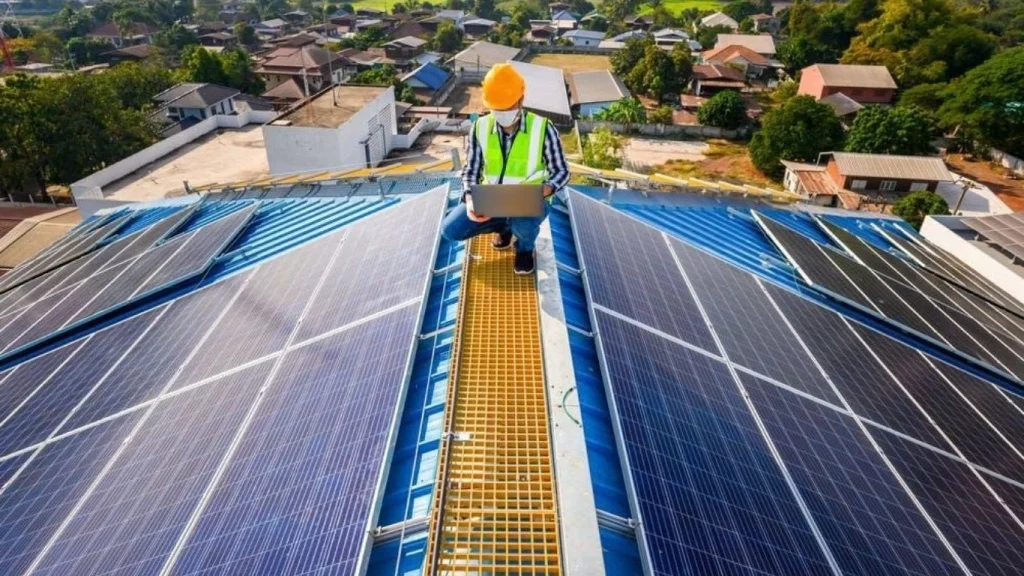
Adding more solar panels can help Canberra homeowners respond to changing electricity needs, but every existing installation has its own limitations.
The inverter, panel specifications, roof space, wiring, switchboard and connection requirements all influence the available options. Some systems can accept extra panels with limited changes, while others may need a new inverter or a broader redesign.
The most reliable starting point is a professional assessment of the current system and household electricity use.
By checking compatibility, planning for seasonal conditions and following applicable installation requirements, homeowners can make a better-informed decision about expanding their solar array.
Adding More Solar Panels to an Existing System Canberra should always begin with understanding what the current installation can support. A carefully planned expansion can help ensure that the system continues to meet the household’s needs safely and reliably.