


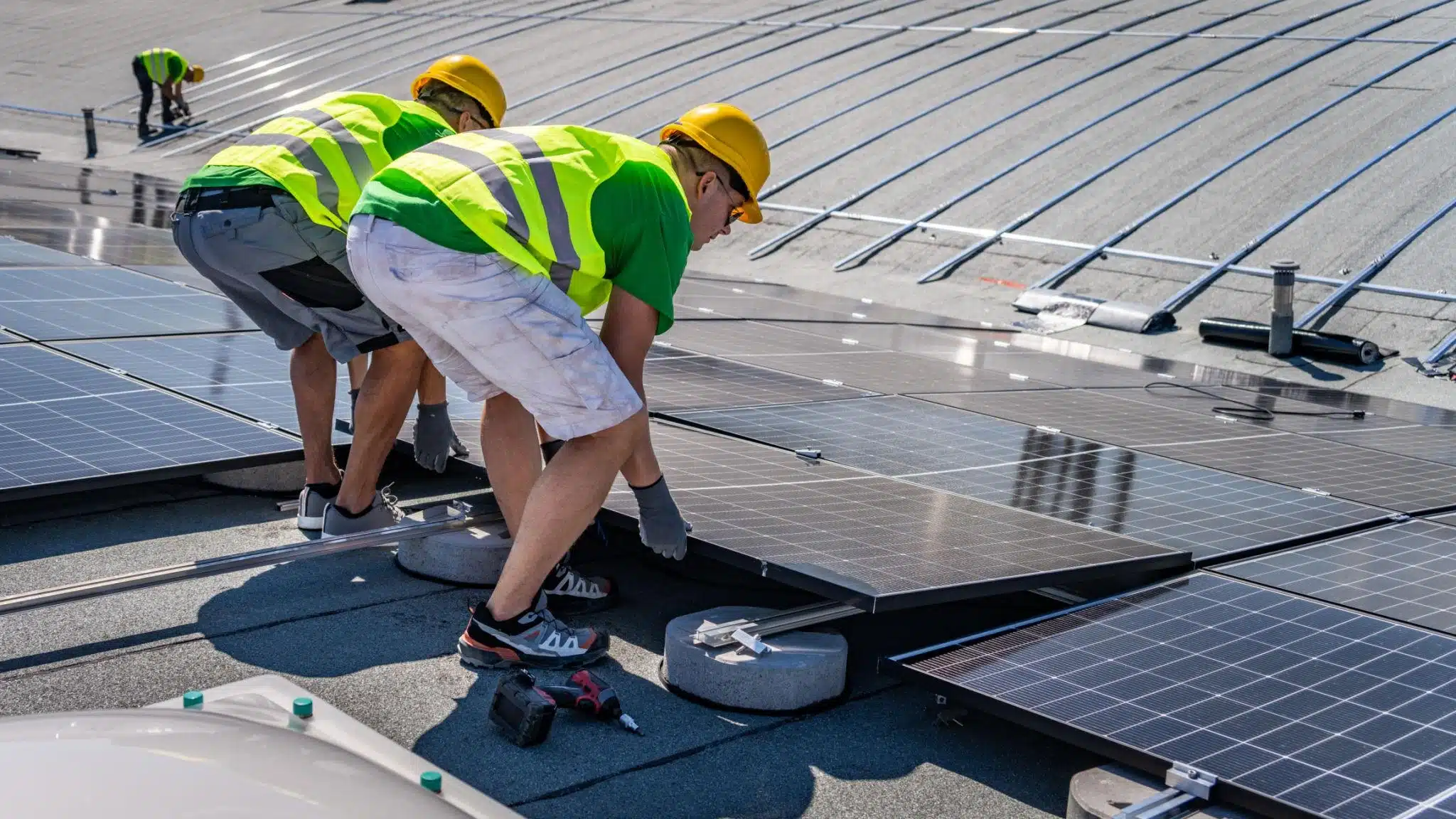
Switching to solar energy is one of the most effective ways to reduce electricity costs and gain long-term energy independence. However, many homeowners ask a common question after installing solar—what happens if your system produces more electricity than your home actually uses?
This situation is quite common, especially with a well-designed solar system installation that maximises energy production. In a city like Canberra, where sunlight conditions are strong, excess solar generation can occur frequently.
Understanding how this extra energy is managed—and how to use it effectively—can help you maximise savings and system performance. This guide explains everything in a clear and practical way so you can make smarter decisions about your solar investment.
Understanding How Solar Systems Generate Power

How Solar Energy Works
The sun panels convert sunlight to electricity during the day. This power is consumed immediately to power your home. Any electricity that is not used is surplus energy.
Your system can generate more electricity than your home requires during the peak sun hours. This is where surplus energy comes to play.
Why Do Solar Systems Produce Extra Power?
The reasons why your system can produce more energy than you use are many:
- Your size is bigger than what you use daily.
- You do not have a home during high sun times.
- There is no use of appliances during the day.
- Solar generation conditions are favorable under weather conditions.
- Your energy consumption is less than desired.
This is mostly so amongst homeowners who have solar canberra systems that are of long term savings.
What Happens to Excess Solar Power?
When your solar system produces more energy than your home uses, the extra electricity doesn’t go to waste. It is managed in several ways depending on your setup.
Exporting Excess Energy to the Grid
How Grid Export Works
The most frequent result is to revert excess energy to the electricity grid.
- Your system injects unused power to the grid.
- The electricity you export is monitored by your energy provider.
- Credits are given on your electricity bill.
This is commonly termed as a feed-in tariff system.
Benefits of Exporting Energy
- Lowers your total electric bills.
- Improves system efficiency
- Promotes renewable energy.
But it is necessary to know that feed-in tariffs are typically less than the price of purchasing electricity.
Limitations of Grid Export
- Less financial payoff than direct use.
- Export quotas might be used.
- Tariffs are subject to change.
Storing Excess Power with Solar Batteries
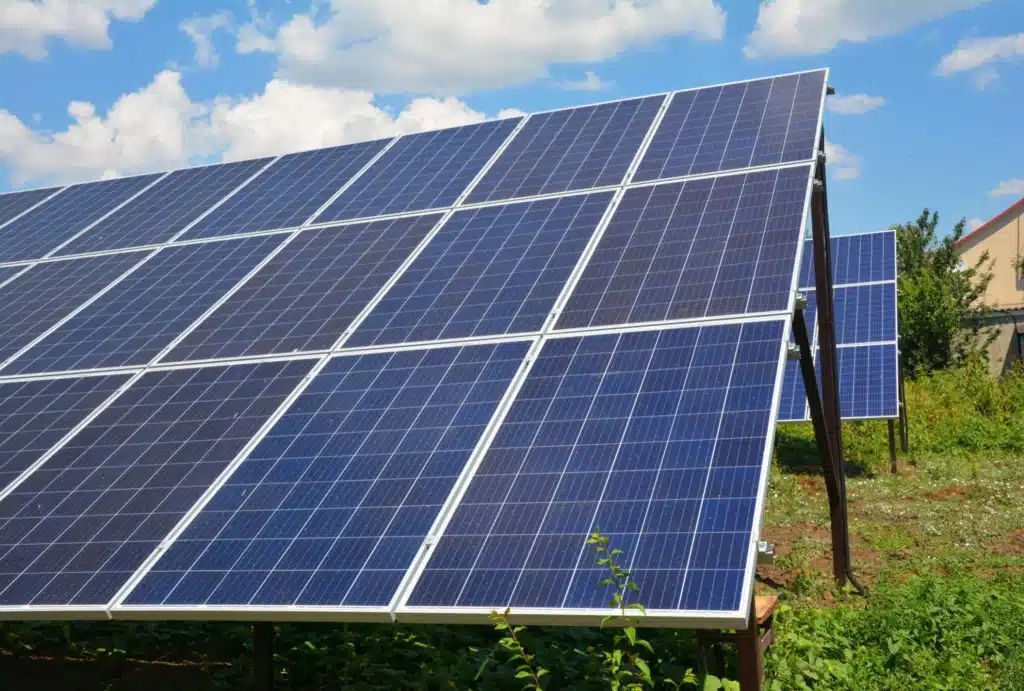
Why Battery Storage Is Important
Rather than waste energy to the power grid you have the option of storing it to be used later.
Benefits include:
- Employing solar energy during the night.
- Minimizing grid dependency.
- Increasing energy independence
Most owners of homes utilizing solar companies canberra are currently deciding on battery storage in order to have increased control over their energy consumption.
When Battery Storage Makes Sense
Battery storage is ideal if:
- You produce excess energy regularly
- You want backup power during outages
- You aim to maximise self-consumption
System Curtailment: When Production Is Limited
What Is Curtailment?
Curtailment is when your solar system decreases its power output automatically.
Why Does It Happen?
- Grid stability requirements
- Export restrictions
- Safety protocols
Although this will guarantee the safety of the system, it might restrict the quantity of energy you can export.
Is Producing Too Much Solar Power a Problem?
In most cases, producing extra energy is not a problem—it’s an opportunity.
Advantages of Excess Energy
- Offers further savings in exports.
- Underpins energy requirements in the future.
- Enables battery integration in the future.
- Lowers dependence on conventional sources of power.
When It Can Be a Concern
- In case your system is greatly over-sized
- When you are not using or storing extra energy.
- In case of very low feed-in tariffs.
How to Maximise the Value of Excess Solar Energy
To get the most out of your system, it’s important to use excess energy efficiently.
Shift Your Energy Usage to Daytime: Turn on appliances when your system is generating electricity.
Examples include:
- Washing machines
- Dishwashers
- Air conditioning
- Electric water heaters
Upgrade to Energy-Efficient Appliances: Efficient appliances will assist you to utilize solar energy more efficiently.
Invest in Battery Storage: A battery enables you to store and utilize energy rather than exporting it.
Plan for Future Energy Needs: Future changes to be considered include:
- Electric vehicles
- Home expansions
- Increased appliance usage
Role of Professional Solar Installation
An efficient system minimizes wastage of production.
Working with experts in solar installation canberra ensures:
- Accurate system sizing
- Optimised panel placement
- Compliance with local regulations
Importance of High-Quality Solar Panel Installation
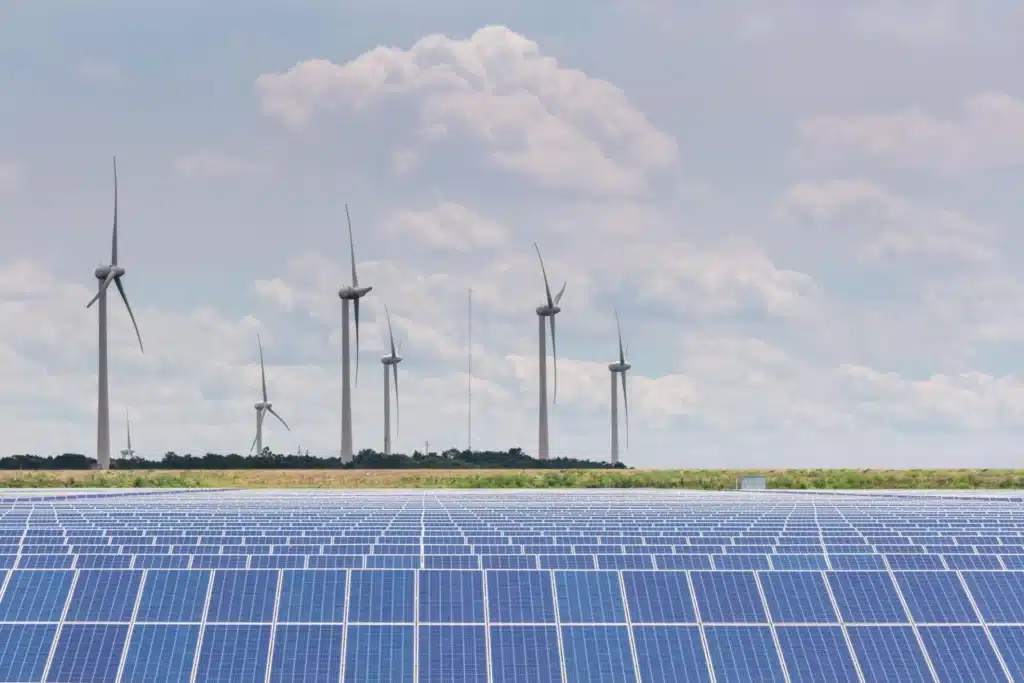
The installation of solar panel installation canberra will affect the amount of energy generated by your system directly.
Key Factors That Affect Performance
- Panel orientation
- Roof angle
- Shading
- Inverter efficiency
A properly installed system will guarantee optimal production with no unnecessary wastes.
Understanding Canberra Solar Export Rules
Local Regulations
Canberra has guidelines, which influence the amount of energy you can export.
These may include:
- Limit on exports per household.
- Grid capacity restrictions
- Larger systems approval requirements.
Knowledge of these rules will assist you in planning your system.
Cost vs Benefit of Generating additional Power
Benefits
- Increased energy generation
- Future-proofing your home
- Higher potential savings
Drawbacks
- Higher upfront costs
- Potential inefficient use of energy.
- Reliance on feed-in tariffs.
Common Mistakes to Avoid
Oversizing Your Solar System: Installing a system that is too large may not provide the best return on investment.
Ignoring Energy Usage Patterns: Understanding when and how you use electricity is essential.
Not Considering Battery Storage: Without storage, excess energy may not be fully utilised.
Choosing the Wrong Installer: Working with experienced solar companies canberra ensures your system is designed correctly.
Future Trends in Solar Energy
Increased Battery Adoption: Increasing numbers of homeowners are installing batteries to save up extra energy.
Smart Energy Systems: The superior monitoring systems enable closer control over the use of energy.
Changing Feed-In Tariffs: The tariff rates can vary and this influences the amount of earnings you get on exports.
Should You Aim to Produce More Power Than You Use?
A slightly larger system can be beneficial. It ensures:
- Backup energy availability
- Flexibility for future upgrades
- Reduced reliance on the grid
However, extreme oversizing should be avoided to maintain cost efficiency.
Final Thoughts
Producing more energy than you use is not a waste—it’s an opportunity to maximise your solar investment. With the right approach, excess energy can lead to long-term savings and greater energy independence.
A well-planned solar system installation, supported by expert solar installation canberra and high-quality solar panel installation canberra, ensures your system delivers optimal performance.
By understanding how excess energy works and using it wisely, homeowners in Canberra can fully benefit from solar power.