


Choosing the right electrical setup is just as important as choosing the right solar panels. Many homeowners focus only on system size, but your property’s power supply—single-phase or three-phase—plays a major role in how your solar setup performs. To explore the best options for your home, visit Woden Valley Solar & Electrical.
If you’re planning a solar system installation, understanding the difference between these two options will help you make a smarter, future-ready decision. This guide explains everything in simple terms so you can confidently choose the best setup for your Canberra home.
Understanding Electrical Phases in Simple Terms
What Is a Single-Phase Power Supply?
This is the most common electricity service found in houses. It involves a single active wire and neutral wire.
This is suitable for:
- Small to medium households
- Standard appliances
- Lower electricity demand
What is Three-Phase Power?
Three-phase power has three “hot” wires and a neutral wire. It helps balance the power supply, and is ideal for homes with large power demands.
This type of power supply is found in:
- Larger homes
- Homes with heavy appliances
- Households with electric car chargers or large AC units
Why Electrical Phase Matters for Solar
When planning a solar system installation, your phase type determines:
- How solar energy is distributed
- How much system you can install
- Compatibility with appliances and batteries
- Export limits to the grid
The correct configuration offers improved efficiency and performance.
Single-Phase Solar Systems Explained
How Single-Phase Solar Works
With a single-phase system, your solar inverter is connected to a single phase of electricity. The PV system is used to power the home and any surplus power is fed into the grid.
Benefits of Single-Phase Systems
- Lower installation complexity
- More affordable setup
- Works with most residential buildings
- Can easily be combined with a solar system
Limitations of Single-Phase Systems
- Limited system size capacity
- Lower export limits
- May not be able to handle high energy demand
Best Use Cases
Single-phase systems are ideal for:
- Small to medium households
- Properties with average power demands
- Homes without high electrical loads
Three-Phase Solar Systems Explained
How Three-Phase Solar Works
A three-phase solar system uses three electrical lines to deliver solar power. This helps to balance the load and increase efficiency.
Benefits of Three-Phase Systems
- Higher system capacity
- Better energy distribution
- Suitable for large households
- Supports high-demand appliances
Limitations of Three-Phase Systems
- Higher installation cost
- More complex setup
- Not suitable for small houses
Best Use Cases
Three-phase systems are ideal for:
- Large homes
- High electricity usage households
- Homes with electric cars or big air conditioners
What’s the Difference Between Single-Phase and Three-Phase?
Energy Distribution: Single-phase systems only have one line, whereas three-phase systems have three lines, and thus provide a more efficient and consistent supply of power.
System Capacity: Single-phase systems are suitable for smaller solar power installations. Three-phase systems can support larger setups, which is ideal for high-energy applications.
Cost Considerations: Single-phase systems are cheaper but lack scalability, while three-phase systems are more expensive but scalable.
Choosing the Right System for Your Home
Assess Your Energy Needs: Know your electricity use. Check your bills to see how much you use each day.
Consider Your Property Size
- Single phase is suitable for smaller homes
- 3-phase systems are best for larger homes
Think About Future Expansion
If you plan to:
- Install an electric vehicle charger
- Add more appliances
- Add more appliances
Three phases may be a better option.
Solar Installation Considerations in Canberra
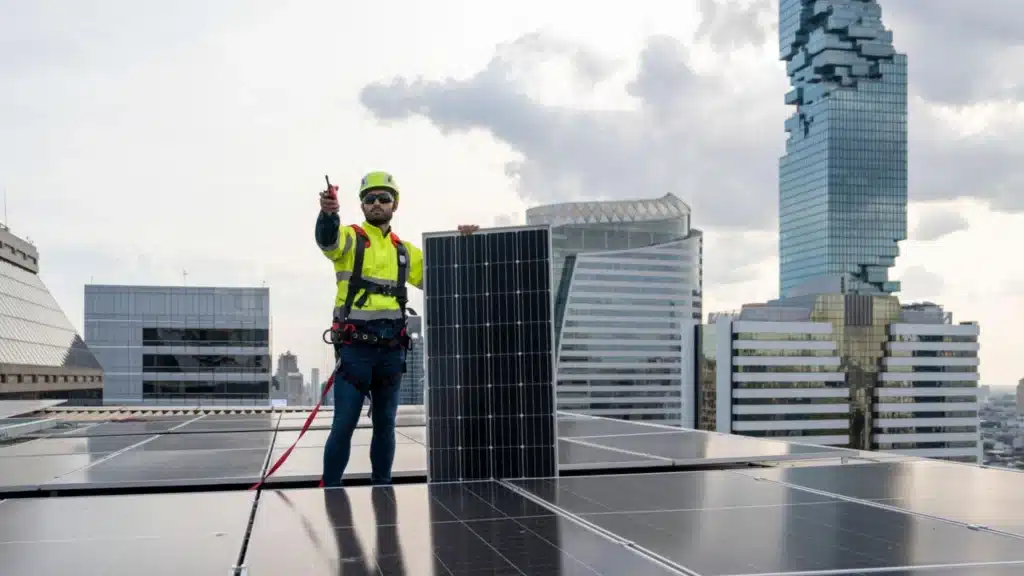
solar installation canberra will ensure your system is designed and installed properly according to the phase of your electricity.
What Installers Evaluate
- Existing electrical setup
- Roof space and orientation
- Energy consumption patterns
- Future upgrade potential
Role of Solar Panel Installation
A good solar panel installation Canberra will ensure you get the most benefit from your phase.
Key Installation Factors
- Panel positioning
- Inverter compatibility
- Wiring and safety standards
- System monitoring
Getting an Accurate Solar System Quote
The first step in this process is to get an accurate quote.
What a Quote Should Include
- System size and components
- Installation costs
- Expected energy output
- Payback period
A clear quote will enable you to shop around and choose the right option.
Cost vs Performance Analysis
Single-Phase Systems
- Lower upfront cost
- Suitable for moderate usage
- Limited scalability
Three-Phase Systems
- Higher upfront investment
- Better performance for large homes
- Supports future upgrades
Common Mistakes to Avoid
- Choosing Based on Cost Alone: Cost is important but not at the expense of performance or future requirements.
- Ignoring Electrical Capacity: Your current power supply constrains your system.
- Not Planning for Future Needs: Power requirements can grow over time.
Battery Integration with Phase Systems
- Single-Phase Battery Setup: Good for smaller systems but may not offer much storage.
- Three-Phase Battery Setup: Provides better energy distribution and supports larger battery systems.
Environmental Benefits of Solar Systems
Installing a Solar Panels for Home system reduces:
- Carbon emissions
- Dependence on fossil fuels
- Electricity costs
Both single-phase and three-phase systems are environmentally friendly.
Future Trends in Solar Technology
- Increased Demand for Three-Phase Systems: With increasing energy demand, the trend is towards three-phase systems.
- Smart Energy Management: New monitoring and control help manage energy.
- Growth in Battery Storage: Batteries are increasingly used to provide energy security.
When Should You Upgrade to Three-Phase
Consider Upgrading If:
- Your energy usage is high
- You want to add large appliances
- You plan to increase your solar capacity
An upgrade will ensure the system will perform well.
Final Thoughts
Knowing the difference between single-phase and three-phase systems are critical for a solar system installation. Your home’s size, energy consumption and future needs are key factors.
In Canberra, single-phase systems typically meet the needs of most homes. But for larger homes with greater energy needs, three-phase systems offer more flexibility and power.
By investing in a quality solar system, expert solar installation canberra, and professional solar panel installation canberra, you can save money and energy in the long run.