


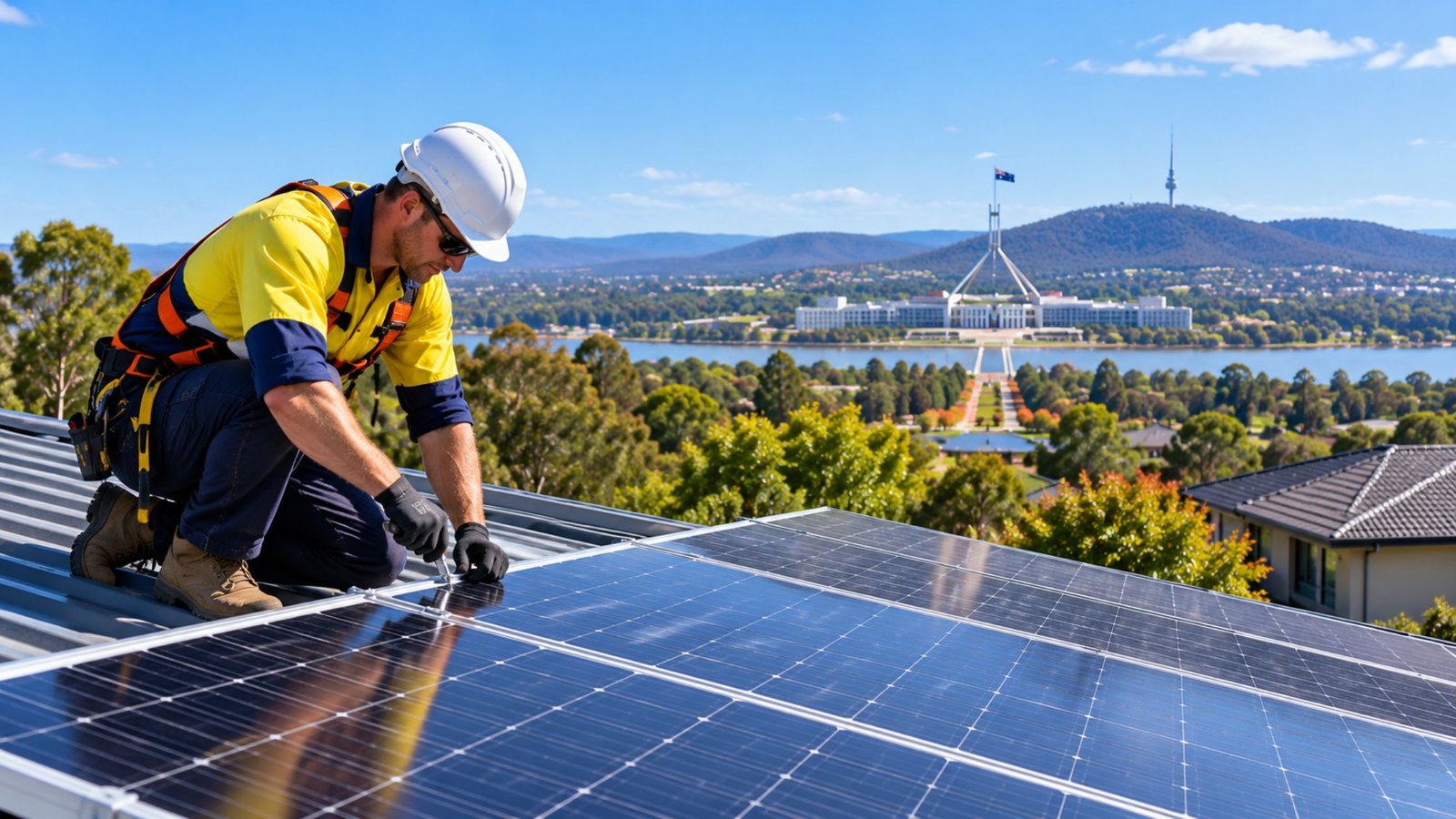
If you are considering solar for your Canberra home, one of the most important questions to ask is how long do solar panels last?
Solar panels are a long-term investment rather than a short-term home improvement. Modern photovoltaic panels are designed to produce electricity for decades, although their energy output gradually decreases as they age. The other components of a solar system, such as the inverter and battery, can have different lifespans and may require replacement before the panels themselves.
For Canberra homeowners, understanding the expected lifespan of each component can make it easier to plan a reliable solar system and get better long-term value from your investment.
The Australian Government states that solar panels generally have an average lifespan of around 20 to 30 years. The Clean Energy Council also notes that photovoltaic panels commonly have a design life of 25 to 30 years and naturally lose some efficiency over time.
How Long Do Solar Panels Last?
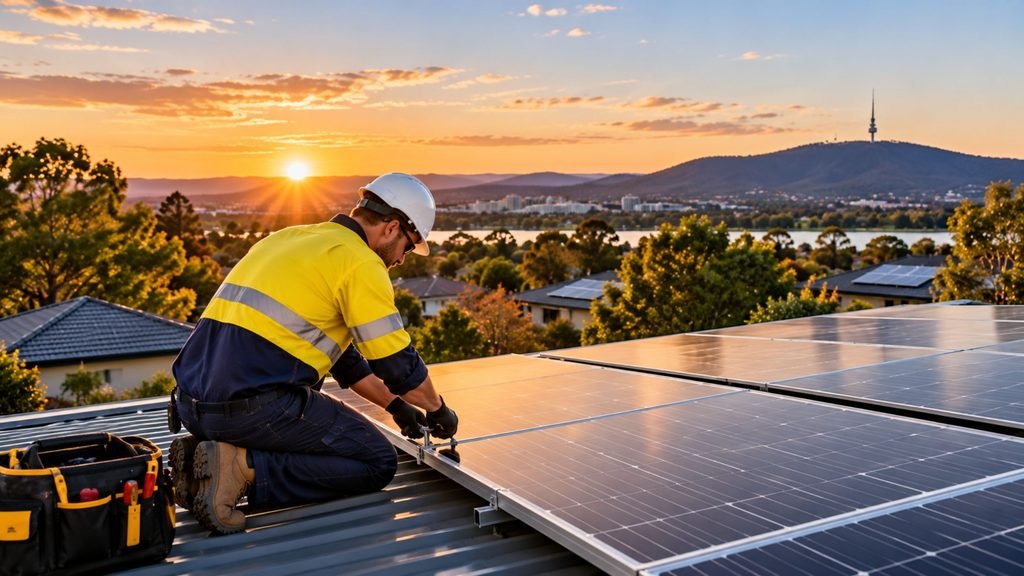
Most modern solar panels can continue producing electricity for 25 to 30 years or more when they are properly selected, installed and maintained.
However, reaching the end of a panel’s expected lifespan does not mean it suddenly stops working.
Solar panels gradually lose generating capacity through a process known as degradation. A panel that produces a certain amount of electricity when new may produce slightly less electricity after 10, 20 or 25 years.
For example, the Australian Government explains that many solar panels have performance warranties guaranteeing a minimum level of output over a specified period. A common warranty structure may guarantee around 90% of original output for the first 10 years and around 80% by year 25.
This means an older solar panel can still generate useful electricity even after decades of service.
The actual performance depends on the panel quality, installation conditions, climate, shading, orientation, maintenance and other factors.
Solar Panel Lifespan vs Solar System Lifespan
It is important to distinguish between the expected life of the solar panels and the lifespan of the complete solar power system.
A typical residential system may contain:
- Solar panels
- A solar inverter
- Mounting equipment
- DC and AC cabling
- Isolators and electrical protection equipment
- Monitoring equipment
- Optional battery storage
These components do not necessarily have the same service life.
Solar panels can commonly last around 20 to 30 years, while string inverters generally have a shorter expected lifespan of around 10 to 15 years. Lithium-ion batteries may operate for approximately 10 to 15 years, while microinverters can have an expected lifespan of around 20 to 25 years.
Consequently, a Canberra homeowner may still have the original panels producing electricity even after the inverter has already been replaced.
That is not necessarily a sign that the entire system needs to be removed. In many situations, individual components can be repaired or replaced while the remaining equipment continues operating.
Why Solar Panels Degrade Over Time
Solar panel degradation is a normal part of long-term operation.
Panels spend their entire working life outdoors. They are exposed to sunlight, heat, cold, wind, rain and moisture. Over many years, this repeated environmental exposure can gradually affect the materials and electrical characteristics of the equipment.
Several factors can contribute to degradation.
Sunlight exposure
Solar panels are continually exposed to ultraviolet radiation. Over an extended period, this exposure can gradually affect some of the materials used within the panels.
The effect is generally gradual rather than sudden, which is why an older panel may continue generating electricity even though its output is lower than when it was new.
Temperature changes
Canberra experiences significant seasonal temperature changes.
Solar equipment can be exposed to hot summer conditions followed by cold winter weather. Repeated heating and cooling can place stress on materials, electrical connections and other components.
The quality of the equipment and installation can influence how well the system handles these conditions over time.
Moisture and weather
Rain and moisture are normal parts of outdoor operation. Properly installed equipment is designed to operate in these conditions, but damaged components or poor installation practices can increase the risk of problems.
Electrical connections, cable entry points, mounting components and other system parts should therefore be installed correctly and checked when required.
Physical damage
Not every solar problem is caused by natural ageing.
Hail, falling branches, severe weather and accidental impact can damage panels or other components at any stage of their service life.
A damaged panel should be professionally assessed rather than assuming that the entire solar system needs replacement.
Installation Quality
The quality of the original solar electricity installation can have a major influence on long-term system performance.
Correct mounting, cable management, electrical connections, protection equipment and system configuration all matter.
A good-quality installation is not simply about getting the panels onto the roof. The complete electrical and mechanical system needs to be designed and installed appropriately for the property.
What Affects Solar Panel Lifespan in Canberra?
When selecting solar panels Canberra homeowners can use, the local environment and property conditions should be considered as part of the system design.
Solar generation can be influenced by roof direction, roof slope, shading, dirt, debris and weather conditions.
Roof Direction and Panel Orientation
The direction and slope of the roof influence how much sunlight reaches the panels throughout the year.
A suitable design should consider the available roof area, orientation, roof structure and expected sunlight exposure before installation.
Rather than selecting equipment based only on its rated capacity, the system should be designed around the actual characteristics of the property.
Shading
Shade can significantly affect solar generation.
Trees, nearby buildings, chimneys and other structures can cast shadows across panels. Even when the panels themselves remain physically sound, ongoing shading can reduce electricity production.
It is also worth considering how the surrounding property may change. A tree that does not cause a problem today could grow enough to create shading several years later.
Dust and debris
Dust, leaves and other debris can reduce the amount of sunlight reaching the solar cells.
Rain can naturally clean many appropriately installed systems, particularly where the roof has a suitable pitch. However, properties surrounded by vegetation or located in areas with greater dust exposure may require additional attention.
Regular observation can help identify whether debris or other environmental conditions are affecting generation.
How Long Does a Solar Inverter Last?
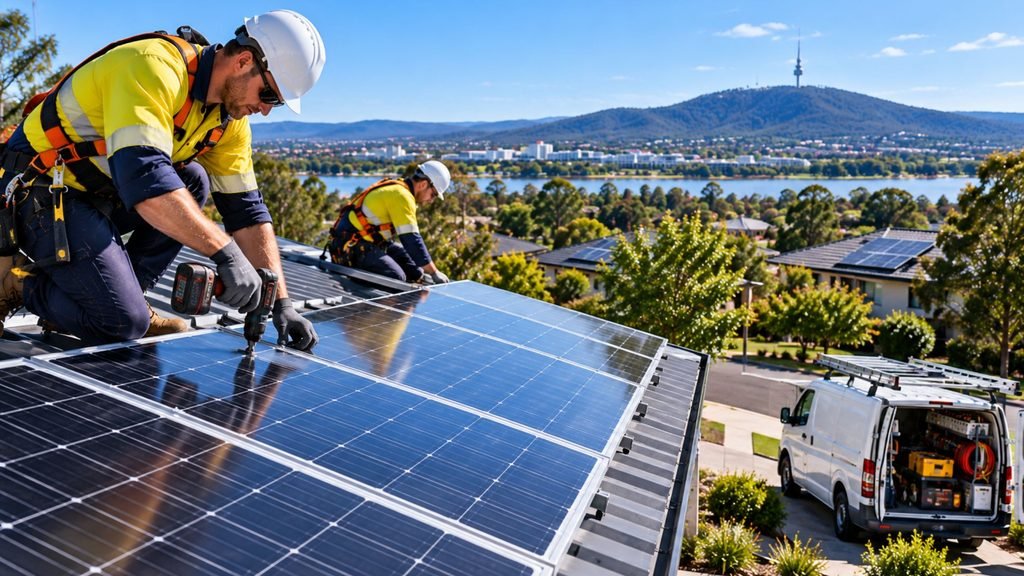
The inverter is one of the most important components in a residential solar system.
Solar panels generate DC electricity, while most household electrical equipment operates using AC electricity. The inverter converts the electricity into a form that can be used within the home or supplied to the electricity grid.
Unlike panels, inverters generally have a shorter expected service life.
A typical string inverter may last approximately 10 to 15 years, although the actual lifespan depends on the product, installation conditions, operating environment and maintenance.
This is why the expected life of a solar system should not be confused with the expected life of its individual components.
For example, if an inverter develops a fault after many years while the panels are still performing well, replacing the inverter may allow the existing solar array to continue operating.
A homeowner should arrange a professional inspection if the inverter displays fault messages, behaves unusually or the system experiences a significant and unexplained reduction in generation.
How Long Do Solar Batteries Last?
Solar batteries generally have a shorter lifespan than solar panels because they undergo repeated charging and discharging.
Lithium-ion batteries commonly have an expected lifespan of around 10 to 15 years, although actual performance can vary depending on the battery chemistry, manufacturer, operating temperature, usage pattern and cycling behaviour.
A battery that is regularly charged and discharged heavily may experience different levels of wear compared with one that is used less intensively.
For Canberra homeowners considering battery storage, it is therefore important to think about the system beyond the initial installation.
A battery is not normally expected to remain in service for the same length of time as the original solar panels. Future replacement should be considered when planning the overall system.
Do Solar Panels Need Regular Maintenance?
Solar panels generally require less routine maintenance than many other household electrical systems, but they should not simply be installed and forgotten.
One of the easiest ways to identify potential problems is to monitor system performance.
Modern solar systems often provide monitoring information that allows homeowners to see how much electricity their system is generating.
If production suddenly drops on otherwise suitable sunny days, it may indicate an issue that needs investigation.
Possible causes can include:
- Inverter faults
- Shading
- Damaged panels
- Wiring problems
- Isolator issues
- Dirt or debris
- Monitoring faults
Regular professional servicing can help identify electrical, mechanical or performance-related problems before they become more serious.
Solar and battery systems can remain electrically energised even when the mains supply has been switched off. For this reason, electrical repairs and servicing should be carried out by appropriately qualified professionals.
How to Extend the Life of Your Solar System
There is no solar system that will operate forever, but sensible equipment selection, installation and maintenance can help support reliable long-term performance.
1. Choose quality equipment
The cheapest equipment is not automatically the most economical choice over the complete life of a solar system.
When comparing electric solar panels, consider product specifications, warranty conditions, expected performance and suitability for Australian operating conditions.
It is also useful to check whether the selected equipment is approved for the relevant Australian solar schemes and requirements.
2. Use an experienced installer
Installation workmanship is just as important as equipment selection.
Incorrect cable management, poor connections, unsuitable mounting or inadequate electrical protection can create problems that may appear well before the equipment reaches its expected service life.
A properly planned solar electricity installation should account for the roof, electrical system, equipment configuration and future household energy requirements.
3. Monitor energy production
Keep an eye on the electricity your system produces.
A gradual reduction in output over many years can be normal. A sudden or unusually large decrease may indicate a fault or another issue that requires investigation.
Monitoring makes it easier to identify changes instead of waiting until a problem becomes obvious through higher electricity bills.
4. Manage surrounding shade
Vegetation around the property can change considerably over time.
Trees and plants that were small when the solar system was installed may eventually cast shadows over the panels.
Regularly checking surrounding vegetation and managing potential shading can help protect solar generation.
5. Arrange professional inspections
Periodic inspections can help identify problems involving electrical connections, mounting equipment, system performance and other components.
The appropriate inspection frequency depends on the system, installation environment and manufacturer’s recommendations.
6. Keep warranty information
Keep your invoices, product information, serial numbers, installation documentation and warranty details in a safe place.
It is also important to understand the difference between a product warranty and a performance warranty.
A product warranty generally relates to defects or equipment failure, while a performance warranty concerns the expected level of electricity generation over a specified period.
Having these records available can make future repairs, warranty claims or component replacements easier.
When Should Solar Panels Be Replaced?
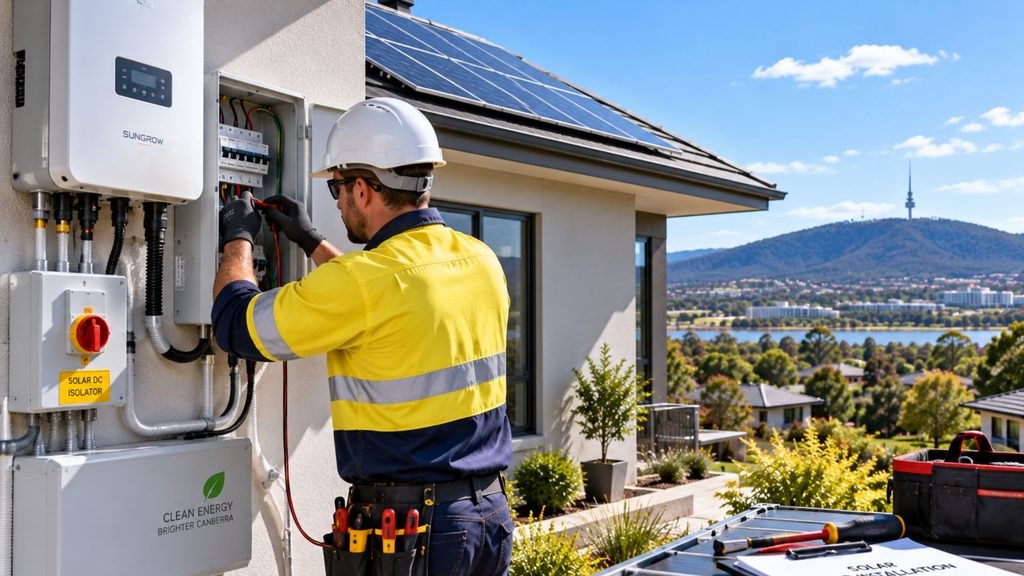
Solar panels do not automatically need replacement simply because they have reached 20 or 25 years of age.
A more useful question is whether the system is still producing worthwhile electricity safely and economically.
Replacement may become appropriate when:
- Panel output has fallen substantially
- A panel has suffered physical damage
- Electrical faults occur repeatedly
- Replacement components are difficult to source
- The existing system no longer meets the household’s energy requirements
- The roof is being substantially renovated
- The homeowner wants to expand the system
- Ongoing repairs are no longer economical
In some situations, replacing the entire solar system may not be necessary.
For example, an older inverter may fail while the panels continue to operate effectively. In that situation, replacing the inverter may be a more practical solution than removing a functioning solar array.
Different components age at different rates, so a professional assessment can help determine which parts actually require attention.
What Happens to Solar Panels at the End of Their Useful Life?
Solar panels do not necessarily become useless immediately when they reach the end of their expected service period.
Older panels may continue producing electricity at a reduced level if they remain safe and functional.
When panels are no longer suitable for continued use, responsible recycling and disposal become important.
Photovoltaic panels contain materials such as glass, aluminium, silicon, silver and copper that can be recovered through appropriate recycling processes.
As Australia’s installed solar capacity continues to grow, end-of-life management is becoming an increasingly important part of the solar industry’s long-term sustainability.
If an old system is being replaced, homeowners should ask their installer how removed panels, inverters, batteries and other electrical components will be handled.
Is Solar Still Worth It After 20 Years?
One of the major advantages of solar is its long operating life.
A properly designed system can continue producing useful electricity for decades, even though the panels gradually lose some of their original output.
However, the long-term value of solar depends on more than panel lifespan.
Factors such as household electricity consumption, system size, solar generation, electricity prices, export arrangements, battery use and ongoing maintenance can all influence the overall benefits.
For this reason, solar design should be based on the household’s energy requirements rather than simply installing the largest possible system.
Choosing Solar Panels for a Canberra Home
When researching solar panels Canberra homeowners can install, it is important to look beyond the specifications printed on an individual panel.
The complete system should be considered.
A suitable installation should take into account:
- Roof structure
- Roof direction
- Roof slope
- Available roof area
- Potential shading
- Household electricity consumption
- Solar inverter selection
- Future energy requirements
- Possible battery storage
- Electric vehicle charging requirements
- Existing electrical infrastructure
Planning these factors at the beginning can reduce the likelihood of unnecessary changes later.
The objective should not simply be to install a system that produces electricity today. A well-designed solar system should be safe, dependable and capable of providing useful energy over many years.
Phone: +61431 262 728
Email: info@wodenvalley.com.au
Website: https://wodenvalleysolarnelectrical.com.au/
Location: Unit 5/5 Tooth St Mitchell ACT 2911
Ready to get more from your solar investment? Get in touch with Woden Valley Solar and Electrical for reliable solar advice, installation and ongoing support in Canberra.