


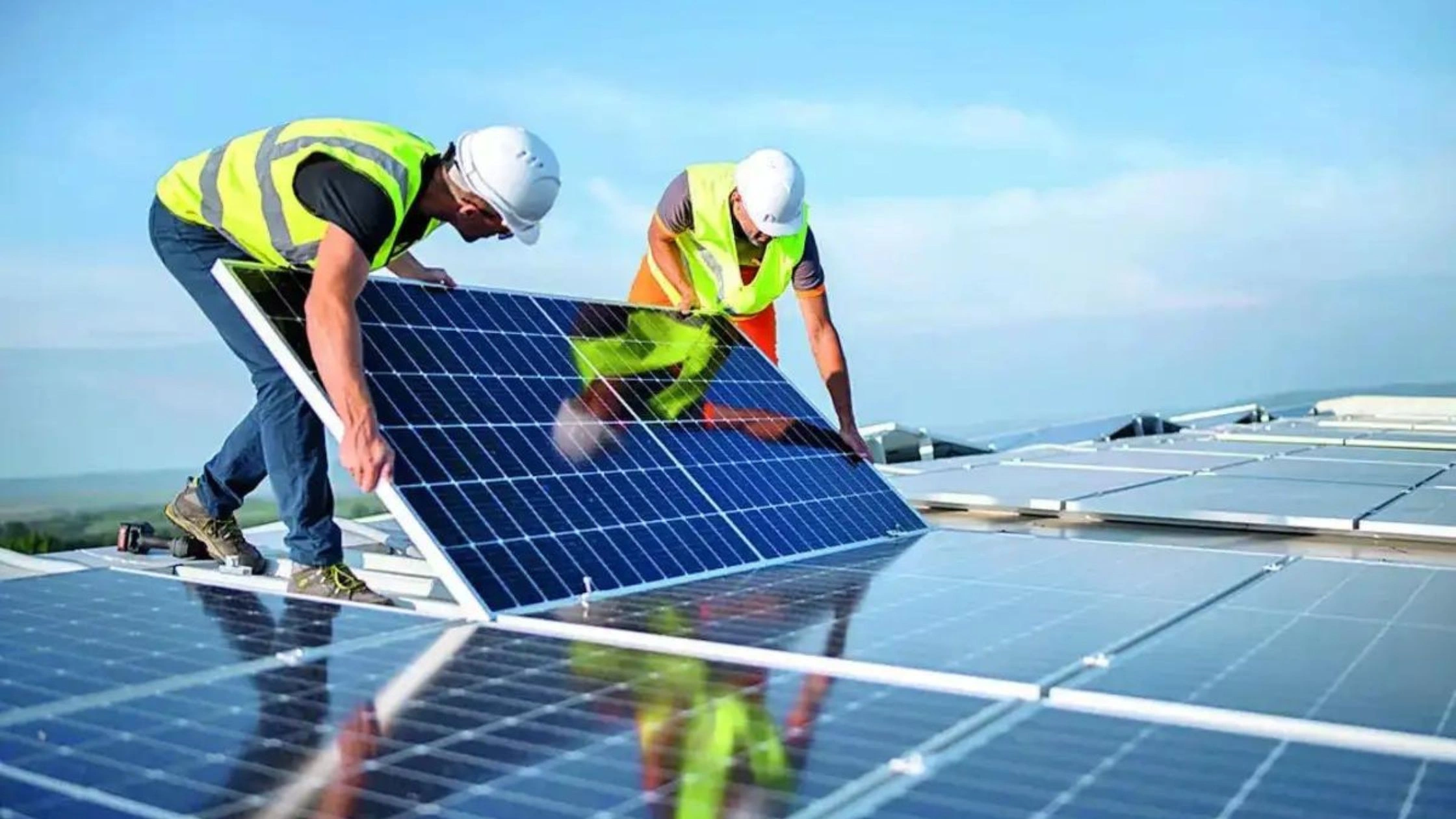
Solar panels are designed to generate electricity from sunlight, but their output can change from day to day. If you have noticed that your system is producing less electricity than expected, it does not always mean the panels are faulty.
There are many reasons why solar panels not producing enough power can become an issue. Shading, dirt, weather, inverter problems, electrical faults, ageing equipment and changes in household energy use can all affect the amount of electricity your system generates.
For Canberra homeowners, seasonal conditions can also make a noticeable difference. Winter has shorter daylight hours, while cloudy weather can reduce solar generation even when the system is working correctly.
Understanding the possible causes can help you identify whether the lower output is normal or whether your system needs professional attention.
Understanding Solar Panel Power Production
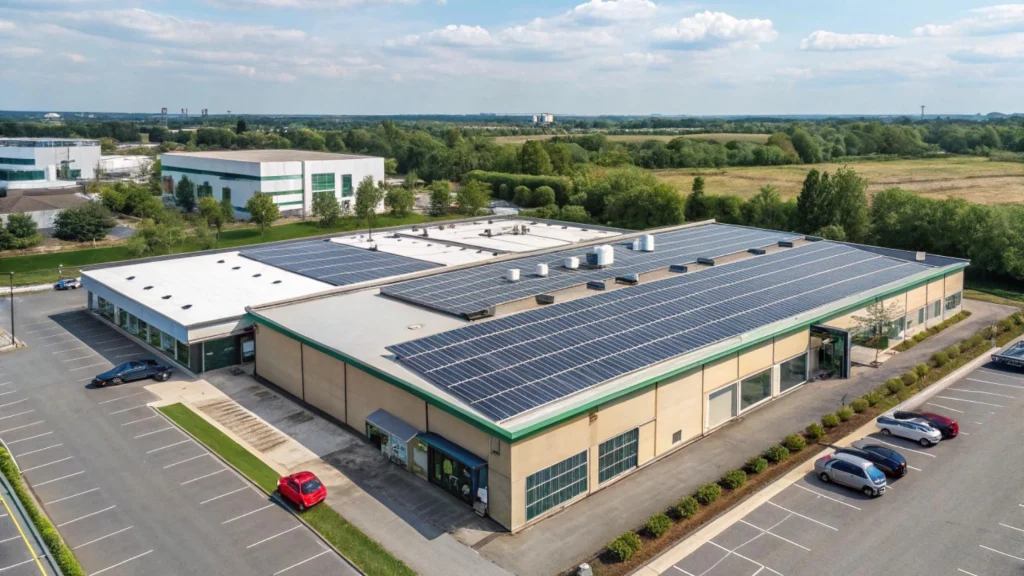
Understanding solar generation helps in troubleshooting a solar system.
Solar panels generate electricity from the sun which is electrical current of DC type. This electricity is then sent to an inverter to change it into AC electricity which can be used by the appliances in your home.
How much electricity is generated at a particular time will vary depending on:
- The amount of solar energy received
- The orientation of the panels and the angle of the roof.
- Shading
- Weather conditions
- Panel temperature
- System size
- Panel condition
- Inverter performance
- Electrical connections
- Time of year
This means that, rather than solar production being steady each day, we don’t expect that to continue.
The amount of electricity generated can vary significantly from a sunny summer’s day to a cloudy winter’s day. Comparing current output to prior output might then give you the false sense of security.
Instead, consider longer term changes in its generation in the system.
1. Shading Can Reduce Solar Generation
Shading is one of the most frequent causes of decreased solar production.
Your panels can be shaded by trees, adjacent buildings, chimneys, roof structures and other items.
Partial shading can impact generation based on the system design and where the shaded panels are located.
This can be especially apparent as the trees that are nearby grow. The building may be shadier several years after the system is installed on a roof that was very sunny during installation.
Established gardens and mature trees can be found in Canberra houses, so it’s good to find out if there have been changes in the vegetation around your property.
If your shading is only during specific hours, your system could still generate normally during the hours it doesn’t shade.
2. Dirty or Obstructed Solar Panels
Dust, leaves, bird droppings and other debris will naturally collect on the solar panels when they are mounted outdoors.
Surface dirt will have only a small effect if there is not a lot, but if there is a lot then the surface dirt will have an effect on the amount of sunlight that reaches the PV cells.
The effects vary with debris type and quantity, rainfall, panel angle and environment.
Some natural cleaning can occur on panels installed at an appropriate angle. Rain may not wash away all the dirt or debris, however.
When the generation drops off and/or there is visible build-up, it may be advisable to get a professional inspection to see if cleaning is necessary.
Never go on the roof to clean the panels. Access to the roof may be hazardous and the electrical equipment is in use during daylight hours.
3. Canberra Weather and Seasonal Changes
Solar generation is directly affected by the weather.
Although the amount of electricity generated by the solar panels is lower, they can still generate electricity on cloudy days.
There is a high level of seasonal variation in Canberra. In the winter, days are shorter and the sun rises and sets at a lower angle, which can decrease daily generation. Clouds may further decrease production.
This does not necessarily mean that the system has a fault if production is low during the winter.
It is more appropriate to compare the current generation with past production during the same type of production periods.
For instance, a cloudy week in winter would not give a meaningful assessment of system performance compared to a clear week in summer.
Rather, review trends over the course of several weeks/months.
4. Solar Panels Can Degrade Over Time
The output of solar panels is not the same throughout their life.
PV modules have a predictable aging rate. This indicates that they generate maximum electricity gradually reducing throughout the operating life of the system.
There are different rates of degradation—depending on products and technologies.
It is normal if the reduction is small over many years. But an unexpected, substantial decrease in generation is another story and may signal another issue.
If your electric solar panels are relatively old and productivity has been depleted over time, it is possible for them to be experiencing normal degradation, or for there to be another part that requires care.
5. Inverter Problems Can Affect Your System
The inverter is one of the essential components of a solar power system.
All household appliances require AC electricity, while solar panels produce DC electricity. The inverter is responsible for transforming one form of electricity into another.
When the inverter goes into fault mode, solar generation can be reduced or even eliminated.
Signs that you should look for include:
- Error messages
- Warning lights
- Unexpected shutdowns
- Abnormally low generation
- Monitoring system alerts
- Frequent inverter restarts
- No generation from solar, if it is not sunny enough.
If your inverter shows a fault code, note the fault message, not repeatedly turning the equipment on and off.
A solar professional or qualified electrician can troubleshoot the system and identify if the issue is the inverter, panels or wiring, or a different component.
6. Electrical Faults May Reduce Solar Output
Solar generation depends on more than the panels and inverter.
Cabling, connectors, isolators, protection equipment and other electrical components all form part of the system.
A fault in one of these components can affect generation.
Electrical issues may result from equipment failure, environmental exposure, ageing components, damaged cables or installation problems.
Some faults may be obvious through the monitoring system, while others require electrical testing to identify.
Because solar systems involve DC and AC electrical circuits, troubleshooting should be performed by an appropriately qualified professional.
Homeowners should not attempt to open electrical equipment or disconnect solar components themselves.
7. Panel Orientation and Roof Angle Matter
The position of your panels affects how much sunlight they receive.
During the original solar electricity installation, the installer should consider factors such as roof orientation, roof pitch, available space and shading.
If panels are installed in an area that receives less sunlight, their potential generation may be lower than expected.
However, this is different from a system suddenly losing performance.
If your system has always produced less electricity than expected, the original design may need to be reviewed.
If generation has recently dropped after years of normal operation, a fault, shading change or equipment issue may be more likely.
8. Extreme Heat Can Affect Panel Output
Solar panels need sunlight to generate electricity, but higher temperatures can reduce their electrical efficiency.
This can seem surprising because a very sunny day may feel like the perfect condition for solar.
The important distinction is between sunlight and panel temperature.
Photovoltaic panels are tested under standard conditions, but real-world temperatures can be much higher. As panel temperature rises, electrical output can decrease.
This does not necessarily mean the system is malfunctioning.
Hot conditions can therefore produce strong solar generation overall while still resulting in lower instantaneous efficiency than expected.
9. Your Electricity Consumption May Have Changed
The solar system generates energy normally and the household consumes more energy.
This can seem like the solar system is not producing enough solar electricity.
Consider if your home has just installed new appliances like:
- Air conditioning
- Electric heating
- Pool equipment
- Heat pumps
- Home office equipment
- An electric hot water system.
- An electric vehicle
- Additional refrigeration
For instance, a Canberra family might use a lot more electricity than what they did before during the winter months when they’ve been using the reverse cycle.
Your electrical usage may have gone up and your solar system may be producing a decent amount of electricity.
To monitor both the generation and the consumption of solar power gives a far more comprehensive picture.
10. Solar Monitoring Can Help Identify Problems
Many modern solar systems include monitoring through an inverter display, mobile application or online platform.
Monitoring allows homeowners to review information such as daily generation, historical performance and system status.
If your system has been operating normally for years and suddenly produces much less electricity, monitoring data can help identify when the change occurred.
Look for patterns rather than a single low-production day.
For example:
A cloudy day with low generation may be completely normal.
Several sunny days with unusually low generation may deserve further investigation.
If the monitoring platform reports an equipment fault, contact a qualified solar professional.
11. A Solar Battery Can Change How You View Generation
If your Canberra home has battery storage, it is important to distinguish between solar generation and the electricity available for household use.
During the day, solar energy may power your appliances first. Excess energy can then be sent to the battery or exported to the electricity grid, depending on the system configuration.
A battery may also charge when solar generation is available and discharge later when household demand increases.
As a result, seeing less solar energy exported to the grid does not necessarily mean your panels are producing less electricity.
Check the complete energy flow through your monitoring platform if battery storage is installed.
12. Ageing Inverters Can Cause Performance Problems
Solar panels may continue operating for decades, while inverters generally have a shorter service life.
As an inverter ages, it may become less reliable or develop faults.
If your panels are relatively old and the inverter has never been replaced, its age should be considered when investigating a performance decline.
Replacing an inverter does not necessarily mean replacing all the panels.
A qualified professional can assess the condition of the existing system and determine which component requires attention.
Signs Your Solar System Needs Professional Attention
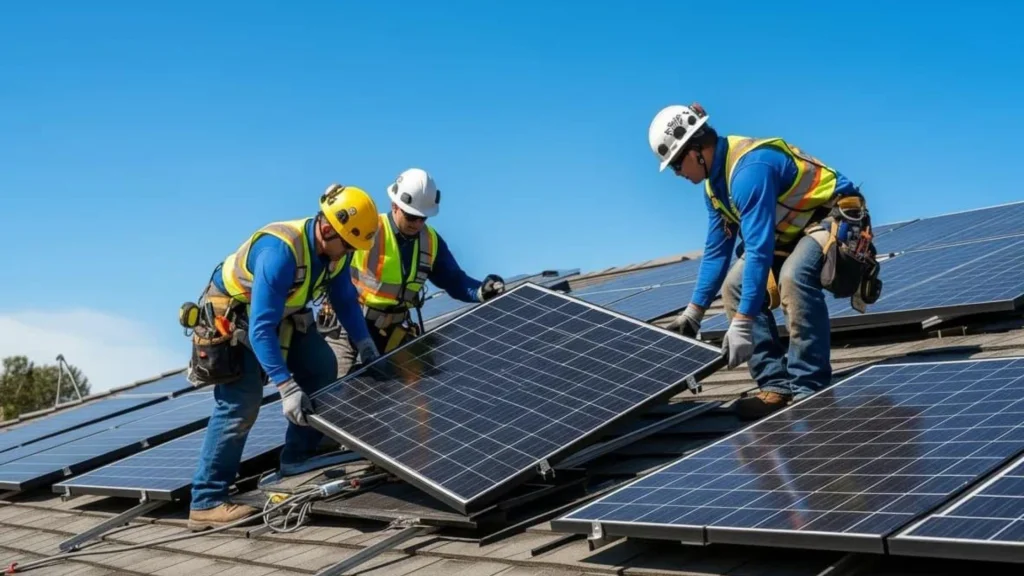
A reduction in solar production is worth investigating when it is sudden, persistent or significantly different from the system’s normal behaviour.
Look out for signs such as:
- A sudden drop in daily generation
- No generation during sunny daylight hours
- Repeated inverter fault messages
- Warning lights
- Monitoring alerts
- Damaged or cracked panels
- Loose or damaged electrical components
- Generation that remains unusually low after several clear days
Visible damage should also be taken seriously.
Do not touch damaged panels, exposed wiring or electrical equipment. Contact a qualified professional for an inspection.
Simple Checks Homeowners Can Make
Before arranging a service, there are a few safe observations you can make.
First, check your solar monitoring system.
Look at today’s generation and compare it with previous days having similar weather conditions.
Next, check whether anything has changed around the property.
Has a tree grown over the roof? Has a new structure created shade? Are the panels visibly covered with leaves or debris?
You can also check whether your inverter is displaying an error message.
Avoid opening the inverter, touching cables or attempting electrical repairs yourself.
If the system continues to perform below its normal level, professional testing is the safest next step.
Choosing the Right Solar Electricity Installation
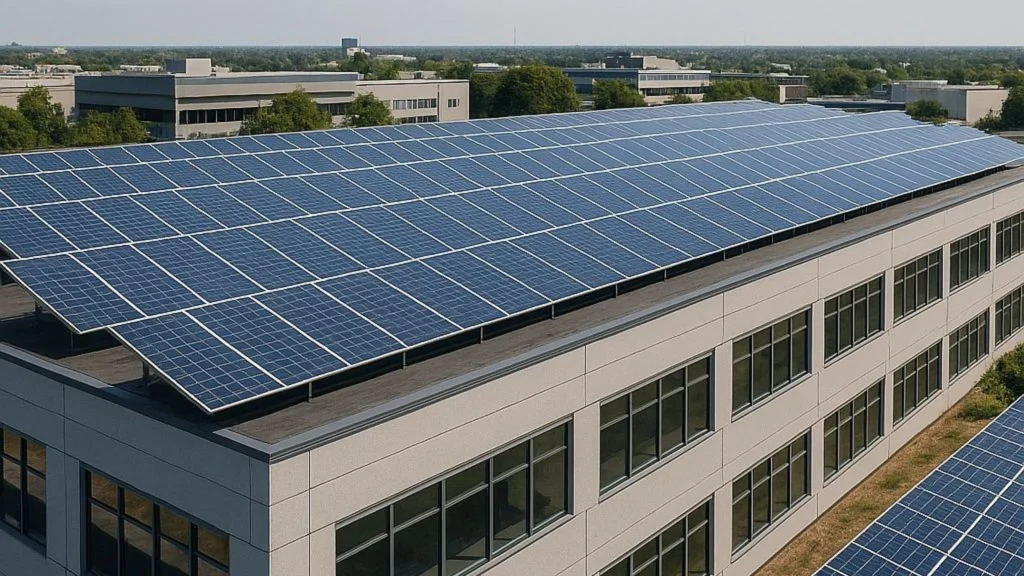
Preventing performance problems starts before the panels are installed.
A properly planned solar electricity installation should consider the home’s energy consumption, roof characteristics, shading, panel placement, inverter selection and future electricity requirements.
For homeowners researching solar electricity Canberra options, local conditions should form part of the design process.
A system that looks suitable on paper may not perform as expected if shading, roof orientation or household consumption has not been properly assessed.
Good system design can help maximise useful solar generation throughout the year.
When Should You Call a Solar Electrician?
If you have checked your monitoring data and the system continues to underperform, professional diagnosis is recommended.
A solar electrician can assess the system’s electrical components, inverter operation, panel performance and other relevant equipment.
Professional testing may help determine whether the issue relates to:
- Panel degradation
- Shading
- Inverter performance
- Electrical connections
- Cabling
- Isolation equipment
- Monitoring equipment
- Physical panel damage
The earlier a genuine fault is identified, the easier it may be to prevent further performance problems.