


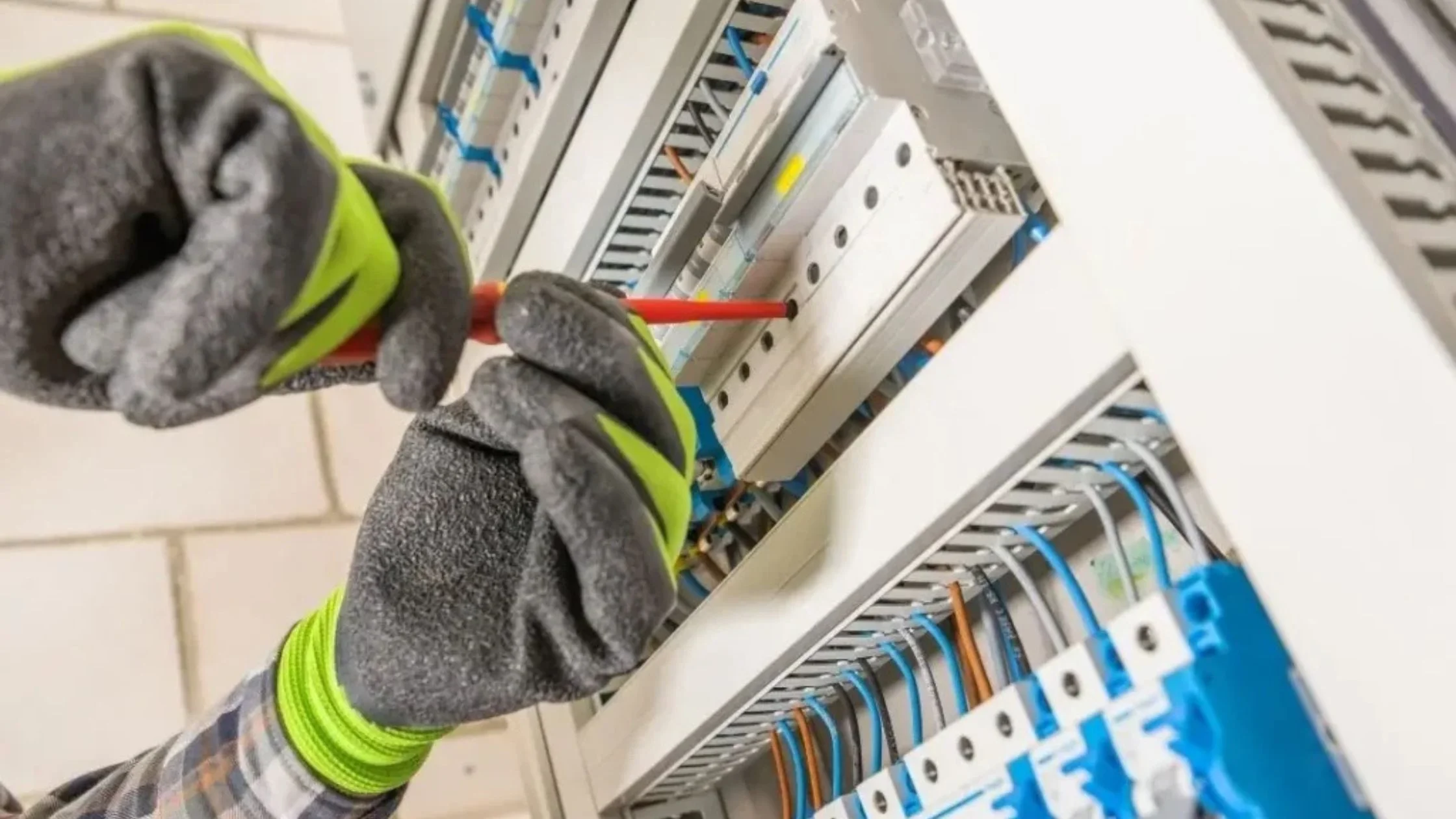
Modern homes depend on electricity for almost everything. From charging phones and running kitchen appliances to powering televisions, computers and air conditioners, convenient access to electricity is essential for everyday living.
However, many Canberra homes do not have enough power points for modern needs. Older properties may have limited outlets in bedrooms, kitchens and living areas, which leads to heavy use of extension leads, double adaptors and power boards.
Power point installation in Canberra can make your property more practical, organised and convenient. Adding extra outlets in the right locations also reduces reliance on temporary electrical connections. At Woden Valley Solar & Electrical, we understand the importance of safe and reliable residential electrical installations. This guide explains where extra power points may be useful, how installation works and what to consider before upgrading. For the bigger picture, see our complete guide to residential electrical upgrades in Canberra.

⚡ In this guide
- What is power point installation?
- Signs you need more power points
- Best places to add outlets
- Types of power points
- Electrical capacity and circuits
- Dedicated circuits for new appliances
- Benefits of extra power points
- Installation during renovations
- Outdoor power points
- Safety considerations
- How professional installation works
- How much does it cost?
- Choosing a residential electrician
- Planning for future needs
- Homeowner checklist
What Is Power Point Installation?
Power point installation means fitting new electrical outlets or replacing existing ones to give convenient access to electricity. A standard Australian power point usually has three-pin outlets designed for compatible household plugs. Depending on your needs, you can choose single, double or specialised outlet configurations.
Installation may involve extending an existing circuit, adding a new circuit or making changes to the switchboard. The right approach depends on the property’s wiring, electrical capacity and intended appliance use. A licensed electrician assesses these factors before deciding how to install additional outlets safely.
1. Signs Your Home Needs Additional Power Points
Not having enough outlets affects how you use different rooms. These common signs suggest your home may benefit from extra installations:
Frequent Use of Extension Leads
If you regularly use extension leads to connect everyday appliances, you may need additional outlets. Extension leads are useful for temporary situations, but they should not become a permanent fix for limited power points.
Overloaded Power Boards
Connecting several appliances to one power board creates unnecessary electrical demand. Every power board and circuit has limits, and using multiple adaptors or plugging one power board into another can increase the risk of overheating. The Product Safety Australia website has more general guidance on electrical product safety.
Limited Outlets in Bedrooms
Bedrooms often need power for bedside lamps, phone chargers, televisions and computers. If outlets are far from furniture, residents may depend on long extension leads. Extra outlets in suitable locations make the room easier to use.
Not Enough Kitchen Power Points
Modern kitchens use microwaves, kettles, coffee machines, toasters and air fryers. Older kitchens may not have enough conveniently placed outlets for them. An electrician can assess the available circuits and recommend suitable outlet locations.
Home Office Electrical Requirements
Working from home often means computers, monitors, printers, routers and charging equipment. Extra power points near a desk reduce cable clutter and improve the overall layout.
2. Best Places to Add Extra Power Points
The location of an outlet matters just as much as the number installed. Planning placements around furniture and appliance use makes a noticeable difference.
- 🍳 Kitchen: One of the busiest areas for appliances. Consider outlets near benchtops and designated appliance areas. The electrician should account for water sources, cooking equipment, clearances and relevant installation requirements.
- 📺 Living room: Televisions, entertainment systems, routers, lamps and chargers all need power. Outlets near entertainment units and seating reduce visible cables.
- 🛌 Bedrooms: Outlets near beds, desks and dressing areas improve everyday convenience. Think about where lamps and chargers will be used.
- 💻 Home office: Plan outlets around your desk for computers, monitors, printers and networking equipment to keep cables organised.
- 🧺 Laundry: Washing machines and dryers need suitable connections. The electrician should check appliance requirements, outlet positions and protection against moisture.
- 🚗 Garage and outdoor areas: Useful for tools, chargers, gardening equipment and pressure cleaners. These need suitable weather protection and electrical safety measures.
3. Types of Power Points Available for Homes
Different outlet options suit different rooms, equipment and installation requirements.

- 🔵 Single power points: Provide one outlet. They suit areas where only one appliance is expected.
- 🔵 Double power points: Two connection points in one fitting, commonly used in bedrooms, living areas and general household spaces.
- 🔵 USB power points: Include USB charging connections alongside standard sockets, handy for charging compatible phones and tablets without a separate adaptor.
- 🔵 Weatherproof power points: Designed for suitable outdoor use, with protective enclosures that help keep moisture and the environment away from electrical connections. The right product depends on the location and exposure.
- 🔵 Specialised power points: Some appliances need specific outlet arrangements or dedicated connections. The electrician should check the manufacturer’s requirements before choosing a fitting.
4. Electrical Capacity and Circuit Requirements
Before adding outlets, it is important to know whether the existing circuit can support the extra demand. Adding more power points does not automatically increase the electricity available to a circuit. For example, a kitchen circuit supplying several high-demand appliances may already be near its designed capacity.
An electrician will consider:
- Existing circuit loading
- Cable size and condition
- Circuit breaker ratings
- Number and type of connected appliances
- Electrical supply capacity
- Requirements for additional circuits
If the existing circuit cannot safely support the planned use, a new circuit may be required. This is especially important for ovens, cooktops, air conditioners and other high-powered equipment. In some homes, the switchboard may also need attention first. Read our guide to switchboard upgrades in Canberra to see the warning signs.
5. Do You Need a Dedicated Circuit for New Appliances?
Not every new power point needs its own circuit. General outlets can often share a suitable circuit, depending on the electrical design and connected load. However, some appliances may require dedicated circuits, including:
- Electric ovens
- Induction cooktops
- Large air conditioning systems
- Electric hot water systems
- Certain washing machines and dryers
- Electric vehicle charging equipment
A dedicated circuit provides an appropriate supply for equipment with specific power requirements. Your electrician can check the manufacturer’s specifications and decide the correct arrangement for your home.
6. Benefits of Installing Additional Power Points
- 🙌 Greater convenience: Outlets where you need them mean no moving furniture or relying on extension leads.
- 🧹 Reduced cable clutter: Well-positioned outlets cut down long cables across floors and around furniture.
- 🏠 Better room functionality: Extra outlets support changing layouts, home offices, entertainment systems and modern appliances.
- 🔌 Less reliance on extension leads: Permanent outlets reduce the need for temporary connections.
- 💡 Support for future appliances: Planning outlets during renovations makes it easier to add new equipment later.
However, extra outlets should always be installed with proper attention to circuit capacity and electrical protection.
7. Power Point Installation During Home Renovations
Renovations are an excellent opportunity to review your home’s electrical layout. Before walls and ceilings are closed, think about where you may need additional outlets. A kitchen renovation may involve changes to benchtop outlets, appliance connections and lighting controls. A bedroom renovation may let you add outlets near new bedside tables or work areas.
During planning, discuss furniture positions, appliance locations and future needs with your electrician. Early planning reduces the need to reopen finished walls and helps coordinate electrical work with builders and other trades.
8. Outdoor Power Point Installation in Canberra
Outdoor outlets make household maintenance and gardening easier. They may be useful for garden equipment, outdoor lighting, pressure cleaners, electric lawn equipment and outdoor entertainment appliances.
However, outdoor installations need extra care because they can be exposed to rain, moisture, dust and changing temperatures. A suitable weatherproof outlet must be selected for the location. The electrician should also consider the required RCD protection, mounting position, cable route and environmental conditions. Learn more in our guide to safety switch installation in Canberra.
9. Safety Considerations for New Electrical Outlets
Electrical safety should always come before convenience. Incorrectly installed outlets, unsuitable wiring and overloaded circuits can create serious hazards. Important considerations include:
- ✅ Correct wiring: Cables must suit the circuit and installation conditions.
- ✅ Circuit protection: Appropriate circuit breakers and RCD protection should be provided as required.
- ✅ Suitable outlet selection: The outlet must match the intended use and environmental conditions.
- ✅ Safe positioning: Outlets should be placed with proper regard for water, heat and other hazards.
- ✅ Professional testing: Completed work must be tested to confirm safe operation.
10. How Does Professional Power Point Installation Work?
Understanding the process helps you know what to expect.

- Initial inspection: The electrician discusses your requirements and checks the existing installation, including the switchboard, relevant circuits, wiring condition and available capacity.
- Choosing outlet locations: You discuss where extra outlets would be most useful. The electrician considers furniture layouts, appliance locations, cable routes and safety requirements.
- Selecting the installation method: Depending on the property, the electrician may extend a suitable existing circuit or install a new one, based on the electrical load, wiring arrangement and conditions.
- Installing the power points: The relevant supply is isolated and the wiring and fittings are installed. Access through walls, ceilings or other areas may be needed.
- Testing and final checks: The electrician tests the outlets and associated circuits to confirm they operate safely, and provides any required electrical safety documentation.
11. How Much Does Power Point Installation Cost in Canberra?
The cost varies with the type of installation and the property’s existing electrical system. A straightforward installation in an accessible location involves less work than adding an outlet that needs new wiring or circuit changes. Several factors influence the project:
- Number of new outlets
- Single or double power point selection
- Distance from the existing circuit
- Wall and ceiling construction
- Accessibility of wiring routes
- Need for a new circuit
- Switchboard improvements
- Specialised or weatherproof fittings
12. Choosing the Right Residential Electrician in Canberra
Choosing a qualified professional is essential when adding or relocating electrical outlets. When looking for a residential electrician in Canberra, consider these points:
- ✅ Check licensing: Confirm the electrician holds the appropriate ACT electrical licence.
- ✅ Ask about residential experience: Look for experience with power point installation, wiring upgrades and switchboard work.
- ✅ Request a detailed quote: It should clearly explain the proposed work and materials.
- ✅ Discuss electrical capacity: Make sure the electrician checks whether existing circuits can support the planned appliances.
- ✅ Confirm testing: Ask whether the completed installation will be tested and the required documentation supplied.
A reliable electrician will explain the available options and recommend an installation suited to your household. If your wiring is very old, you may also want to read our guide to home rewiring in Canberra.
13. Planning Additional Power Points for Future Needs
Household electrical needs change as families grow and technology develops. A room used as a bedroom today may become a home office later. A garage may need extra outlets for tools. A kitchen renovation may introduce new appliances. When planning additional power points, think about both present and future needs, such as:
- Home office equipment
- Entertainment systems
- Smart home devices
- Additional kitchen appliances
- Outdoor equipment
- Future electrical upgrades

Planning ahead can help reduce the need for repeated electrical changes.
14. Homeowner Checklist Before Adding Power Points
- ✅ Identify rooms where additional outlets are needed
- ✅ Decide where furniture and appliances will be positioned
- ✅ List equipment that may require dedicated circuits
- ✅ Check for damaged or loose existing outlets
- ✅ Avoid relying on multiple extension leads
- ✅ Discuss outdoor outlet requirements
- ✅ Ask whether the existing circuits have enough capacity
- ✅ Confirm the electrician’s ACT licence
- ✅ Request a written quote
- ✅ Keep records of completed electrical work
These simple steps can help make your installation more organised and suitable for your home.
Conclusion: Make Your Home More Convenient and Safe
Having enough electrical outlets makes your home more convenient, organised and practical. From kitchens and bedrooms to home offices, garages and outdoor areas, additional power points can support modern household needs. However, every installation should be planned around electrical capacity, suitable wiring and the correct safety protection.
At Woden Valley Solar & Electrical, we understand the importance of safe and reliable electrical services for Canberra homeowners. If you need additional outlets, replacement power points or electrical improvements, speak with a qualified electrician about the right solution for your property.
Need extra power points installed in Canberra?
Make your home more convenient with professionally installed power points designed for safe, everyday electrical use.
Contact Woden Valley Solar & Electrical📞 +61431 262 728 | ✉️ info@wodenvalley.com.au
📍 Unit 5/5 Tooth St, Mitchell ACT
📖 Related reading
- Residential Electrical Upgrades Canberra: A Complete Guide for Homeowners
- Switchboard Upgrade Canberra: Signs Your Home Needs an Electrical Upgrade
- Home Rewiring Canberra: Electrical Wiring Safety, Warning Signs & Upgrades
- Safety Switch Installation Canberra: RCD Protection, Testing & Home Electrical Safety